Bent-Knee Copenhagen Raises
A shorter-lever version of the Copenhagen plank raise. In a side plank with your top leg on a flat bench, you bend the knee of your lower leg and lift it up toward the bench, then lower it again. The inner thigh muscles and the obliques work as in the straight-leg version, with less load on the lower leg.
Core · Flat Bench · Intermediate
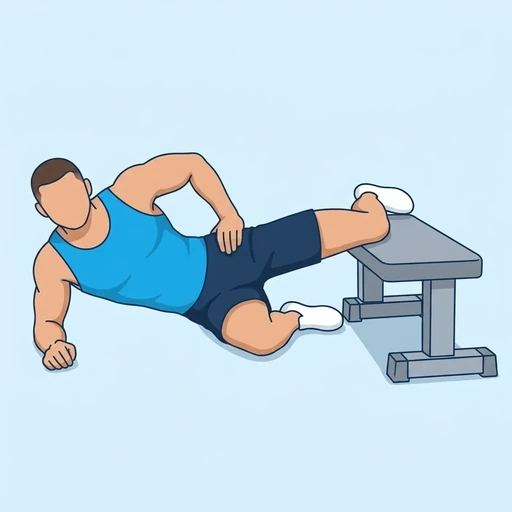
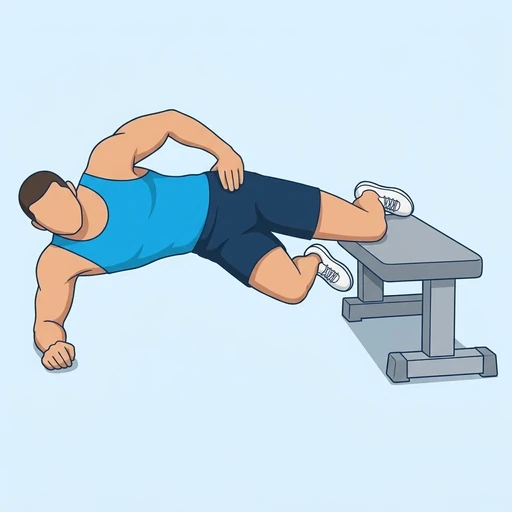
Muscles worked by the Bent-Knee Copenhagen Raises
Primary
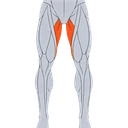 AdductorsHip Adductors
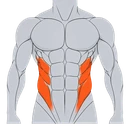 ObliquesOblique Abdominals
Secondary
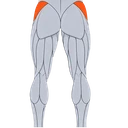 Glute MediusGluteus Medius
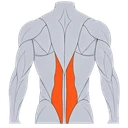 Quadratus Lumborum
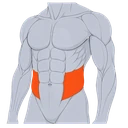 Deep CoreTransversus Abdominis
Also called: hip adductors, inner thigh, adductor muscles, groin, oblique, obliques.
Equipment
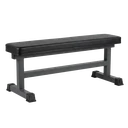 Flat Bench
Also called: bench, flat weight bench, utility bench, adjustable bench (flat).
How to do the Bent-Knee Copenhagen Raises
- Lie on your side next to a flat bench and place the inside of your top leg or foot on it, with the top knee slightly bent or straight.
- Prop yourself up on the elbow of your lower arm, directly under your shoulder.
- Lift your hips so that your body forms a straight line from your head to your top leg, and bend the knee of your lower leg under you.
- Raise the bent lower knee up toward the bench, keeping your hips high.
- Lower the knee slowly without letting your hips drop, and repeat for the planned repetitions.
- Rest, then switch sides.
Form tips
- Use this version to build up to the straight-leg Copenhagen raise; the bent knee shortens the lever and lowers the load.
- Keep your hips high and your body in one line; dropping the hips takes the load off the inner thighs.
- Move slowly and stop if you feel a sharp pull in the groin; the adductors need a gentle build-up.
At a glance
| Body part | Core |
|---|---|
| Category | Strength |
| Force type | Dynamic |
| Mechanic | Compound |
| Difficulty | Intermediate |
| Equipment | Flat Bench |
| Goals | Core, Strength |
| Tags | Core, Core focus, Calisthenics, Lower back safe, No axial load, Requires bench |
| MET | 6.0 (metabolic equivalent, for calorie estimates) |
| Unilateral | Yes |
| Bodyweight | No |
| Dataset id | bent-knee-copenhagen-raises |
Bent-Knee Copenhagen Raises in German & Spanish
| German | Copenhagen Raises mit gebeugtem Knie |
|---|---|
| Spanish | Elevaciones en Plancha Copenhague con Rodilla Flexionada |
Descriptions, instructions and tips ship in all three languages in the JSON.
Related exercises
 Balance Dome Plank
 Bear Plank Hold
 Bench Decline Plank Hold
 Copenhagen Plank
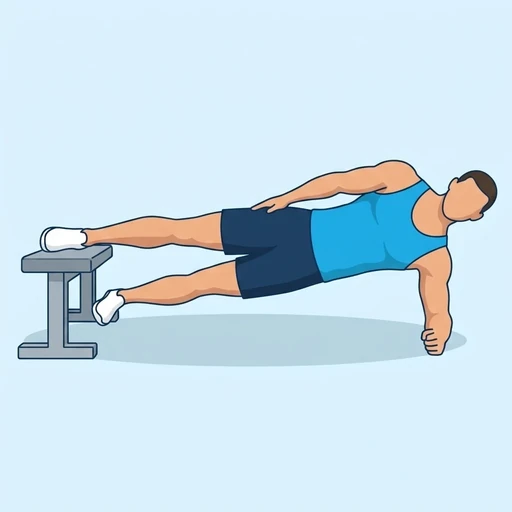 Copenhagen Plank Raises
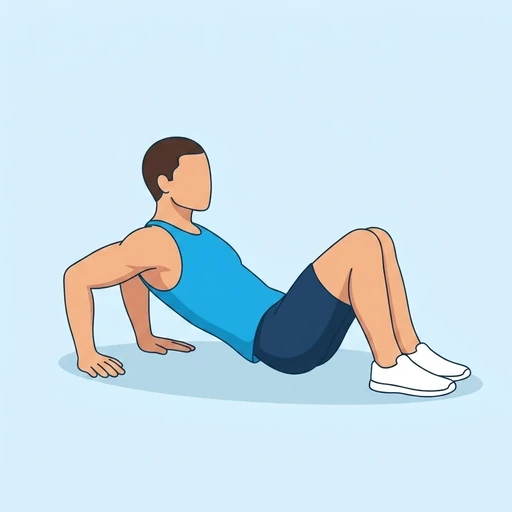 Crab Dips
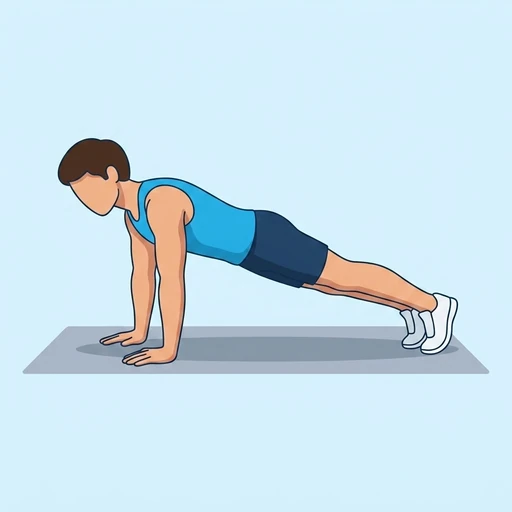 High Plank
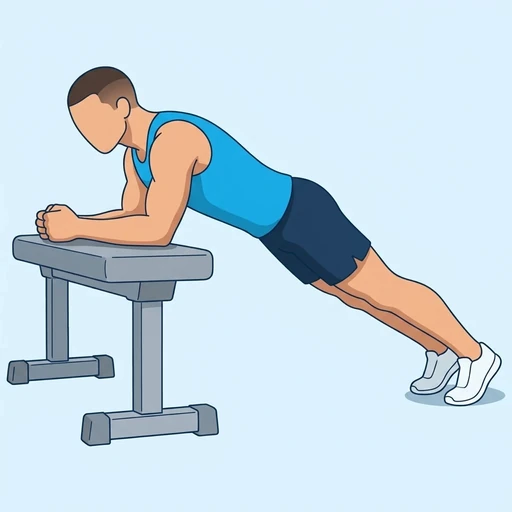 Incline Plank Hold
Exercise data (JSON)
The record below is exactly what exercises.json ships for this exercise — names, descriptions, instructions and tips in English, German and Spanish.
{
  "id": "bent-knee-copenhagen-raises",
  "name_en": "Bent-Knee Copenhagen Raises",
  "name_de": "Copenhagen Raises mit gebeugtem Knie",
  "name_es": "Elevaciones en Plancha Copenhague con Rodilla Flexionada",
  "description_en": "A shorter-lever version of the Copenhagen plank raise. In a side plank with your top leg on a flat bench, you bend the knee of your lower leg and lift it up toward the bench, then lower it again. The inner thigh muscles and the obliques work as in the straight-leg version, with less load on the lower leg.",
  "description_de": "Eine Variante der Copenhagen Plank Raise mit kürzerem Hebel. Im Side Plank, das obere Bein auf einer flachen Bank, beugst du das Knie des unteren Beins, hebst es nach oben zur Bank und senkst es dann wieder ab. Die Muskeln der Oberschenkelinnenseite und die schrägen Bauchmuskeln arbeiten wie bei der Variante mit gestrecktem Bein, nur mit weniger Last auf dem unteren Bein.",
  "description_es": "Una versión de palanca más corta de la elevación en plancha Copenhague. En una plancha lateral con la pierna de arriba sobre un banco plano, flexionas la rodilla de la pierna de abajo, la subes hacia el banco y la vuelves a bajar. Los músculos de la cara interna del muslo y los oblicuos trabajan igual que en la versión con la pierna estirada, con menos carga sobre la pierna de abajo.",
  "category": "strength",
  "force_type": "dynamic",
  "mechanic": "compound",
  "difficulty": "intermediate",
  "equipment": "flat_bench",
  "body_part": "core",
  "primary_muscles": [
    "adductors",
    "obliques"
  ],
  "secondary_muscles": [
    "gluteus_medius",
    "quadratus_lumborum",
    "transverse_abdominis"
  ],
  "goals": [
    "core",
    "strength"
  ],
  "tags": [
    "core",
    "core_focus",
    "calisthenics",
    "lower_back_safe",
    "no_axial_load",
    "requires_bench"
  ],
  "variation_group": "plank",
  "is_unilateral": true,
  "is_bodyweight": false,
  "instructions_en": [
    "Lie on your side next to a flat bench and place the inside of your top leg or foot on it, with the top knee slightly bent or straight.",
    "Prop yourself up on the elbow of your lower arm, directly under your shoulder.",
    "Lift your hips so that your body forms a straight line from your head to your top leg, and bend the knee of your lower leg under you.",
    "Raise the bent lower knee up toward the bench, keeping your hips high.",
    "Lower the knee slowly without letting your hips drop, and repeat for the planned repetitions.",
    "Rest, then switch sides."
  ],
  "instructions_de": [
    "Lege dich seitlich neben eine flache Bank und lege die Innenseite des oberen Beins oder Fußes darauf, das obere Knie leicht gebeugt oder gestreckt.",
    "Stütze dich auf den Ellbogen des unteren Arms, direkt unter der Schulter.",
    "Hebe die Hüfte, sodass dein Körper von Kopf bis zum oberen Bein eine gerade Linie bildet, und beuge das Knie des unteren Beins unter dir.",
    "Hebe das gebeugte untere Knie nach oben zur Bank und halte dabei die Hüfte hoch.",
    "Senke das Knie langsam ab, ohne die Hüfte absinken zu lassen, und wiederhole für die geplante Anzahl an Wiederholungen.",
    "Ruhe dich aus und wechsle dann die Seite."
  ],
  "instructions_es": [
    "Túmbate de lado junto a un banco plano y coloca la cara interna de la pierna o del pie de arriba sobre él, con la rodilla de arriba ligeramente flexionada o estirada.",
    "Apóyate sobre el codo del brazo de abajo, justo debajo del hombro.",
    "Sube las caderas para que el cuerpo forme una línea recta desde la cabeza hasta la pierna de arriba, y flexiona la rodilla de la pierna de abajo por debajo de ti.",
    "Eleva la rodilla flexionada de abajo hacia el banco, manteniendo las caderas altas.",
    "Baja la rodilla despacio sin dejar que las caderas caigan y repite el número de repeticiones previsto.",
    "Descansa y cambia de lado."
  ],
  "tips_en": [
    "Use this version to build up to the straight-leg Copenhagen raise; the bent knee shortens the lever and lowers the load.",
    "Keep your hips high and your body in one line; dropping the hips takes the load off the inner thighs.",
    "Move slowly and stop if you feel a sharp pull in the groin; the adductors need a gentle build-up."
  ],
  "tips_de": [
    "Nutze diese Variante als Aufbau zur Copenhagen Raise mit gestrecktem Bein; das gebeugte Knie verkürzt den Hebel und verringert die Last.",
    "Halte die Hüfte hoch und den Körper in einer Linie; wenn die Hüfte absinkt, nimmt das die Last von den Oberschenkelinnenseiten.",
    "Bewege dich langsam und höre auf, wenn du einen stechenden Zug in der Leiste spürst; die Adduktoren brauchen einen behutsamen Aufbau."
  ],
  "tips_es": [
    "Usa esta versión para progresar hacia la elevación Copenhague con la pierna estirada; la rodilla flexionada acorta la palanca y reduce la carga.",
    "Mantén las caderas altas y el cuerpo en una sola línea; si las caderas caen, la carga sale de la cara interna de los muslos.",
    "Muévete despacio y para si notas un tirón agudo en la ingle; los aductores necesitan una progresión gradual."
  ],
  "met": 6.0,
  "images": {
    "flat": {
      "start": "images/flat/bent-knee-copenhagen-raises-start.webp",
      "peak": "images/flat/bent-knee-copenhagen-raises-peak.webp"
    }
  }
}
Fetch just this exercise
const { exercises } = await fetch(
  "https://exercise-dataset.com/exercises.json"
).then(r => r.json());
const ex = exercises.find(e => e.id === "bent-knee-copenhagen-raises");
Free for personal and commercial in-app use with attribution (“Exercise data by RepDB”) — see the license and ready-made attribution snippets. Redistributing the data as a dataset or API is not permitted.