Clamshell Hold
The top position of the clamshell held for time: lying on one side with the knees bent and stacked, the upper knee lifted and the pelvis square, so the glute medius works isometrically instead of through repetitions.
Upper legs · Bodyweight · Intermediate
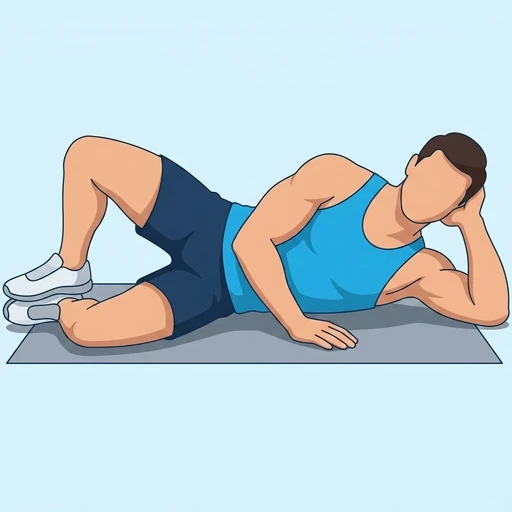
Muscles worked by the Clamshell Hold
Primary
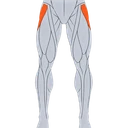 AbductorsHip Abductors
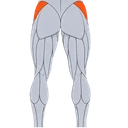 Glute MediusGluteus Medius
Secondary
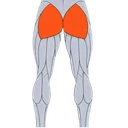 GlutesGluteus Maximus
Also called: hip abductors, outer thigh, abductor muscles, glute med, gluteus medius, side glute.
Equipment
No equipment — this is a bodyweight exercise.
How to do the Clamshell Hold
- Lie on one side with the hips and knees bent about 45 and 90 degrees, heels together and knees stacked.
- Stack the shoulders and hips vertically and brace the trunk so the pelvis cannot roll backwards.
- Open the upper knee as far as it goes without the pelvis rotating, keeping the heels touching.
- Hold that open position for the prescribed time, breathing normally.
- Lower the knee under control and repeat on the other side.
Form tips
- Stop the lift where the pelvis starts to roll back; the range is smaller than most people expect.
- Keep the heels pressed together so the movement stays in the hip rather than the ankle.
- Add a loop band above the knees only once the pelvis stays perfectly still.
At a glance
| Body part | Upper legs |
|---|---|
| Category | Strength |
| Force type | Static |
| Mechanic | Compound |
| Difficulty | Intermediate |
| Equipment | Bodyweight |
| Goals | Hypertrophy, Strength |
| Tags | Knee safe, Shoulder safe, No axial load, Lower back safe |
| MET | 5.0 (metabolic equivalent, for calorie estimates) |
| Unilateral | No |
| Bodyweight | Yes |
| Dataset id | clamshells-hold |
Clamshell Hold in German & Spanish
| German | Clamshells-Halt |
|---|---|
| Spanish | Almejas Isométricas |
Descriptions, instructions and tips ship in all three languages in the JSON.
Related exercises
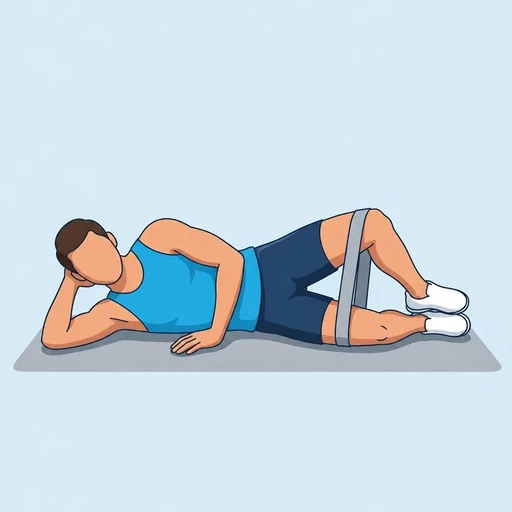 Banded Clamshell
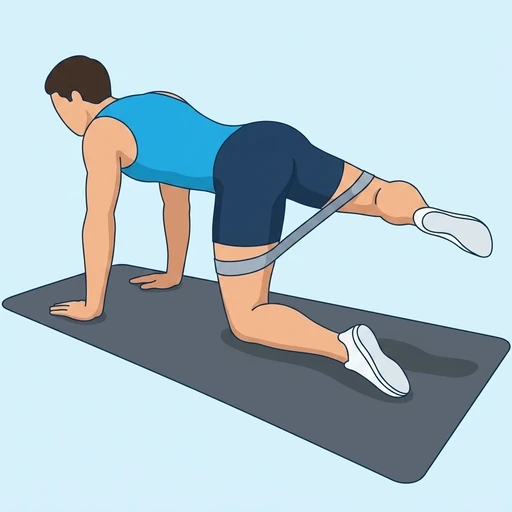 Banded Fire Hydrant
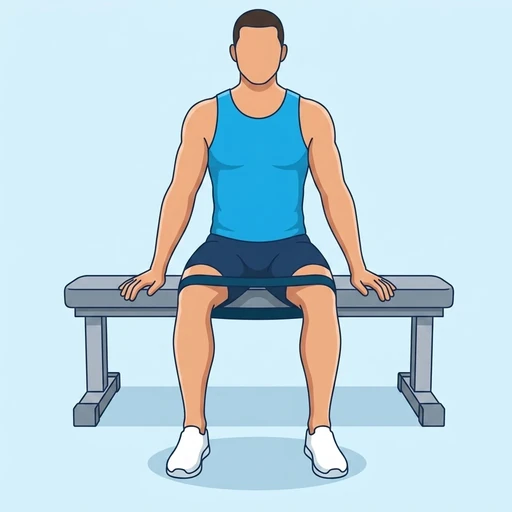 Banded Seated Hip Abduction
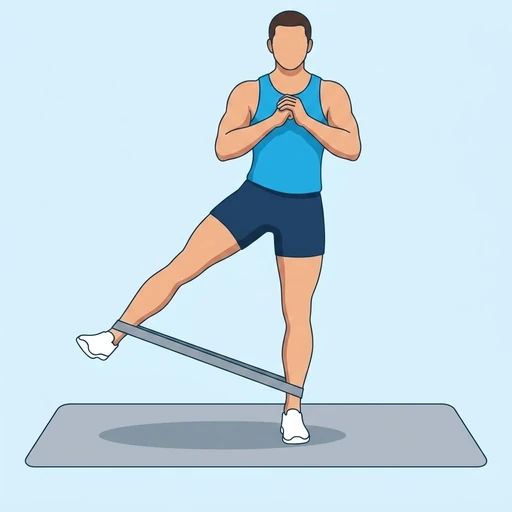 Banded Standing Hip Abduction
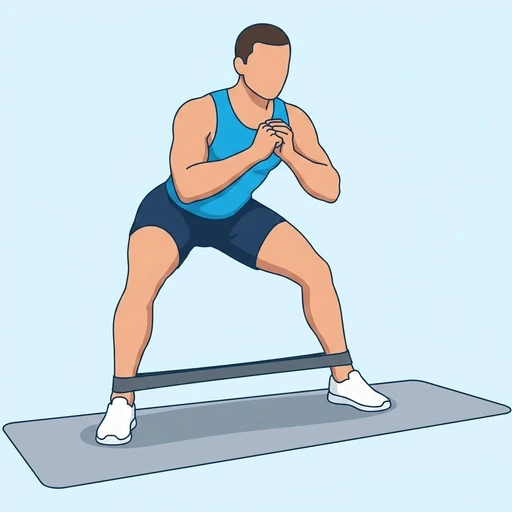 Banded Sumo Walk
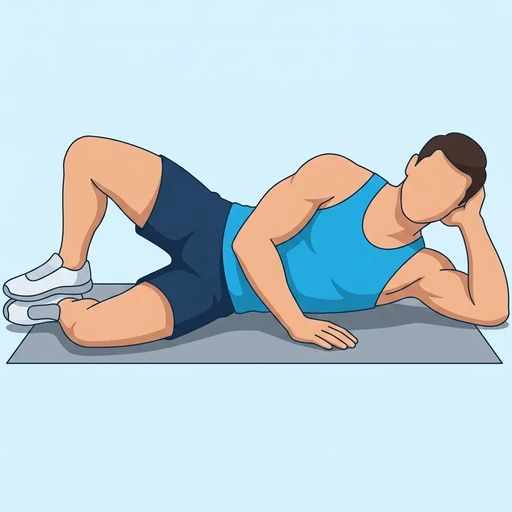 Clamshells
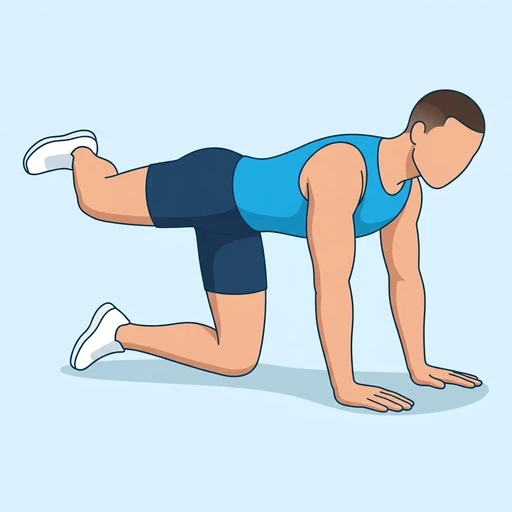 Fire Hydrant
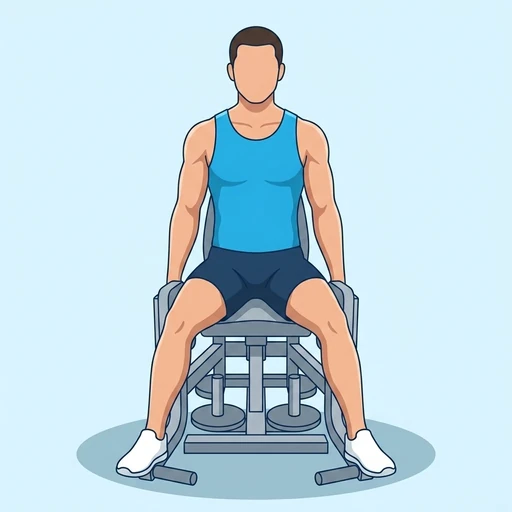 Machine Hip Abduction
Exercise data (JSON)
The record below is exactly what exercises.json ships for this exercise — names, descriptions, instructions and tips in English, German and Spanish.
{
  "id": "clamshells-hold",
  "name_en": "Clamshell Hold",
  "name_de": "Clamshells-Halt",
  "name_es": "Almejas Isométricas",
  "description_en": "The top position of the clamshell held for time: lying on one side with the knees bent and stacked, the upper knee lifted and the pelvis square, so the glute medius works isometrically instead of through repetitions.",
  "description_de": "Die Endposition der Clamshell, statisch gehalten: in Seitlage mit gebeugten, aufeinanderliegenden Knien wird das obere Knie geöffnet und das Becken gerade gehalten, sodass der Gluteus medius isometrisch statt über Wiederholungen arbeitet.",
  "description_es": "La posición final de la almeja mantenida en el tiempo: tumbado de lado con las rodillas flexionadas y apiladas, la rodilla superior se abre y la pelvis se mantiene firme, de modo que el glúteo medio trabaja de forma isométrica en lugar de por repeticiones.",
  "category": "strength",
  "force_type": "static",
  "mechanic": "compound",
  "difficulty": "intermediate",
  "body_part": "upper_legs",
  "primary_muscles": [
    "abductors",
    "gluteus_medius"
  ],
  "secondary_muscles": [
    "gluteus_maximus"
  ],
  "goals": [
    "hypertrophy",
    "strength"
  ],
  "tags": [
    "knee_safe",
    "shoulder_safe",
    "no_axial_load",
    "lower_back_safe"
  ],
  "variation_group": "hip-abduction",
  "is_unilateral": false,
  "is_bodyweight": true,
  "instructions_en": [
    "Lie on one side with the hips and knees bent about 45 and 90 degrees, heels together and knees stacked.",
    "Stack the shoulders and hips vertically and brace the trunk so the pelvis cannot roll backwards.",
    "Open the upper knee as far as it goes without the pelvis rotating, keeping the heels touching.",
    "Hold that open position for the prescribed time, breathing normally.",
    "Lower the knee under control and repeat on the other side."
  ],
  "instructions_de": [
    "Leg dich auf die Seite, beuge Hüfte und Knie etwa 45 und 90 Grad, Fersen zusammen und Knie übereinander.",
    "Bring Schultern und Hüften senkrecht übereinander und spann den Rumpf an, damit das Becken nicht nach hinten kippt.",
    "Öffne das obere Knie so weit, wie es ohne Beckendrehung geht, und lass die Fersen dabei zusammen.",
    "Halte diese geöffnete Position für die vorgegebene Zeit und atme dabei ruhig weiter.",
    "Senk das Knie kontrolliert ab und wiederhole das Ganze auf der anderen Seite."
  ],
  "instructions_es": [
    "Túmbate de lado con las caderas y las rodillas flexionadas unos 45 y 90 grados, los talones juntos y las rodillas apiladas.",
    "Alinea los hombros y las caderas en vertical y aprieta el tronco para que la pelvis no ruede hacia atrás.",
    "Abre la rodilla superior todo lo que puedas sin que la pelvis rote, manteniendo los talones en contacto.",
    "Mantén esa posición abierta durante el tiempo indicado, respirando con normalidad.",
    "Baja la rodilla de forma controlada y repite del otro lado."
  ],
  "tips_en": [
    "Stop the lift where the pelvis starts to roll back; the range is smaller than most people expect.",
    "Keep the heels pressed together so the movement stays in the hip rather than the ankle.",
    "Add a loop band above the knees only once the pelvis stays perfectly still."
  ],
  "tips_de": [
    "Stopp die Bewegung dort, wo das Becken nach hinten zu kippen beginnt - der Bewegungsradius ist kleiner, als die meisten erwarten.",
    "Press die Fersen zusammen, damit die Bewegung in der Hüfte bleibt und nicht ins Sprunggelenk wandert.",
    "Nimm ein Loop-Band über die Knie erst dazu, wenn das Becken vollkommen ruhig bleibt."
  ],
  "tips_es": [
    "Detén la apertura donde la pelvis empieza a rodar hacia atrás; el recorrido es menor de lo que la mayoría espera.",
    "Mantén los talones presionados entre sí para que el movimiento se quede en la cadera y no en el tobillo.",
    "Añade una banda circular por encima de las rodillas solo cuando la pelvis se mantenga completamente quieta."
  ],
  "met": 5.0,
  "images": {
    "flat": {
      "main": "images/flat/clamshells-hold-main.webp"
    }
  }
}
Fetch just this exercise
const { exercises } = await fetch(
  "https://exercise-dataset.com/exercises.json"
).then(r => r.json());
const ex = exercises.find(e => e.id === "clamshells-hold");
Free for personal and commercial in-app use with attribution (“Exercise data by RepDB”) — see the license and ready-made attribution snippets. Redistributing the data as a dataset or API is not permitted.