Drag Curl
A barbell curl where the elbows travel backward and the bar drags up the torso, eliminating front-delt assistance and emphasizing the long head of the biceps.
Upper arms · Barbell · Intermediate
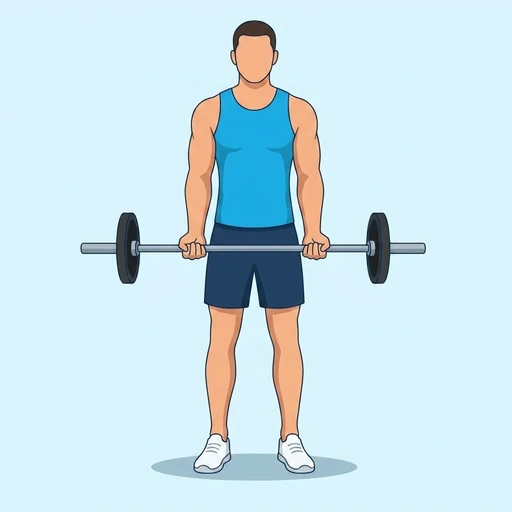
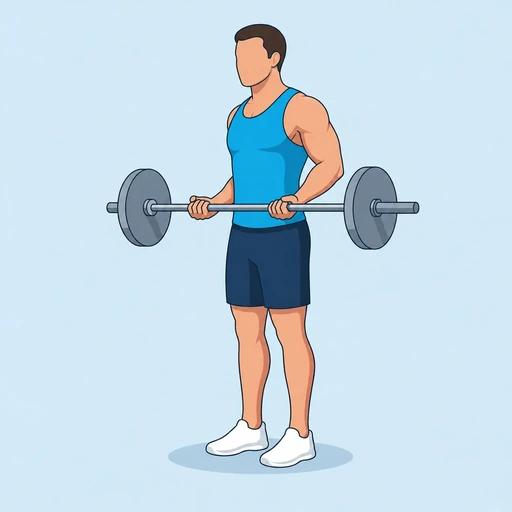
Muscles worked by the Drag Curl
Primary
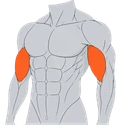 BicepsBiceps Brachii
Secondary
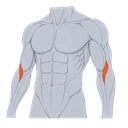 Brachialis
Also called: bicep, biceps brachii, biceps muscle, guns.
Equipment
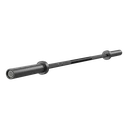 Barbell
Also called: bar, olympic barbell, straight bar, olympic bar, power bar.
How to do the Drag Curl
- Stand holding a barbell with an underhand grip, hands shoulder-width apart.
- Start with the bar at the thighs and elbows at the sides.
- Curl the bar by sliding (dragging) it straight up along your body.
- As the bar rises, let the elbows travel backward so the bar stays in contact with your torso.
- Stop when the bar reaches mid-chest; the biceps will be fully shortened.
- Lower under control along the same path and repeat.
Form tips
- Use significantly less weight than a standard curl — the altered mechanics make it much harder.
- The bar should never move away from the body.
At a glance
| Body part | Upper arms |
|---|---|
| Category | Strength |
| Force type | Pull |
| Mechanic | Isolation |
| Difficulty | Intermediate |
| Equipment | Barbell |
| Goals | Hypertrophy |
| Tags | Pull day, Arm day |
| MET | 5.0 (metabolic equivalent, for calorie estimates) |
| Unilateral | No |
| Bodyweight | No |
| Dataset id | drag-curl |
Drag Curl in German & Spanish
| German | Drag Curl |
|---|---|
| Spanish | Drag Curl |
Descriptions, instructions and tips ship in all three languages in the JSON.
Related exercises
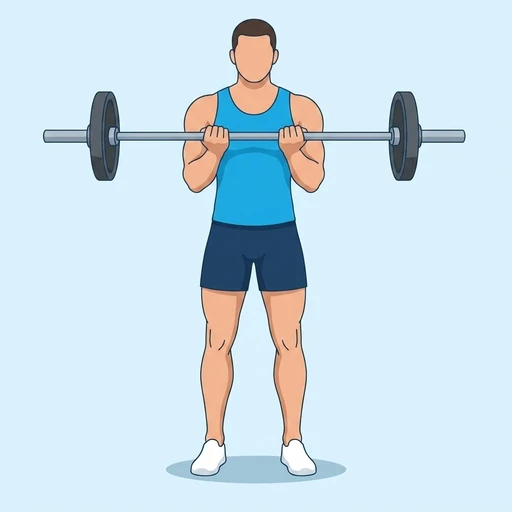 Close-Grip Barbell Curl
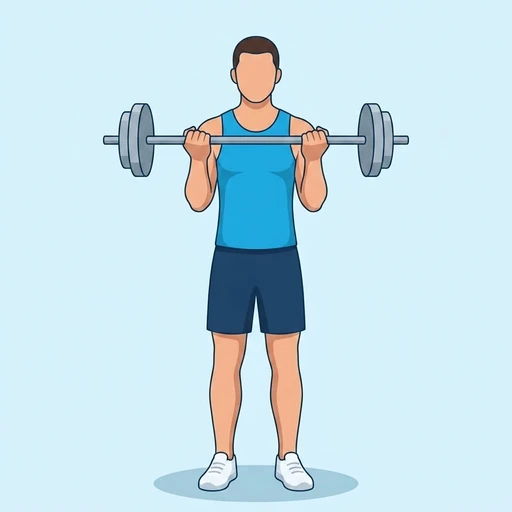 Barbell Curl
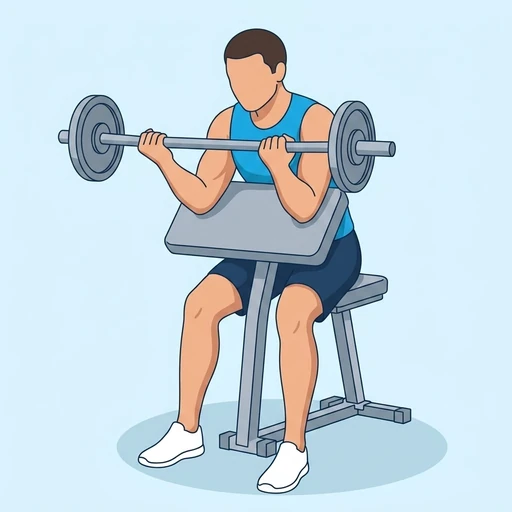 Barbell Preacher Curl
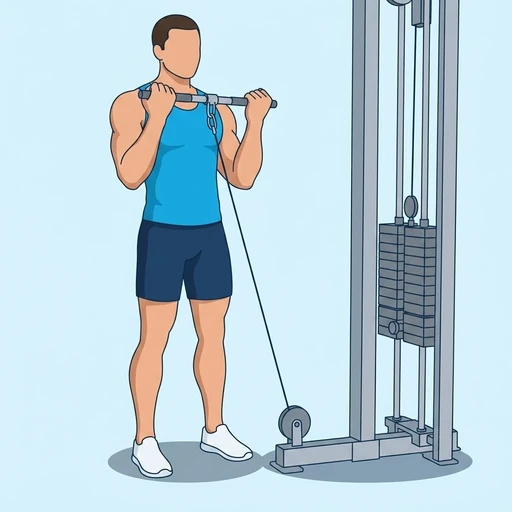 Cable Curl
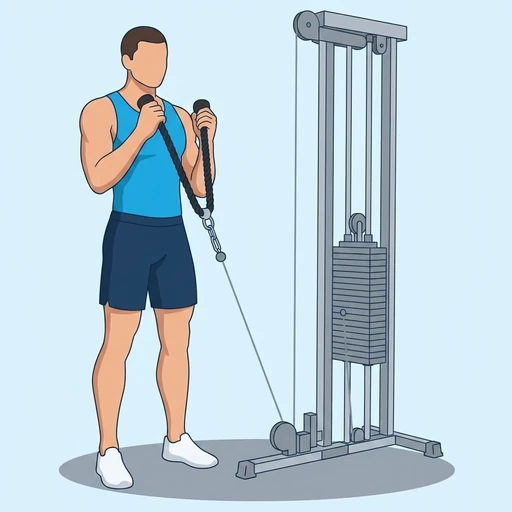 Cable Hammer Curl
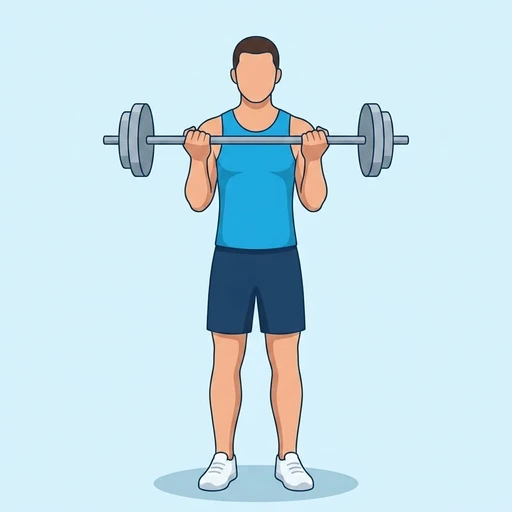 Cheat Curl
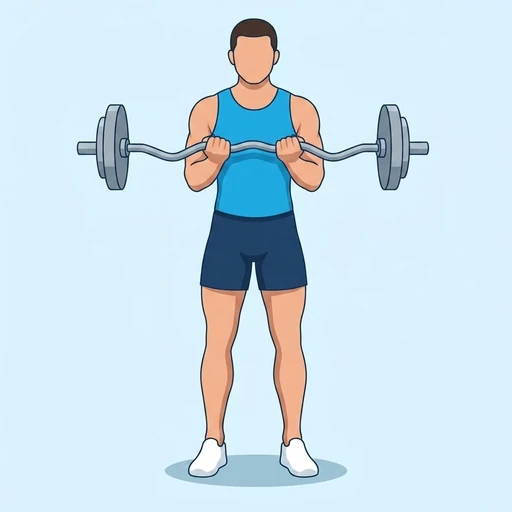 Close-Grip EZ-Bar Curl
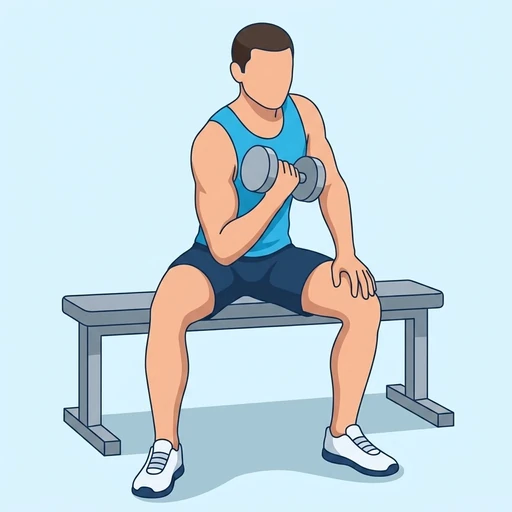 Concentration Curl
Exercise data (JSON)
The record below is exactly what exercises.json ships for this exercise — names, descriptions, instructions and tips in English, German and Spanish.
{
  "id": "drag-curl",
  "name_en": "Drag Curl",
  "name_de": "Drag Curl",
  "name_es": "Drag Curl",
  "description_en": "A barbell curl where the elbows travel backward and the bar drags up the torso, eliminating front-delt assistance and emphasizing the long head of the biceps.",
  "description_de": "Ein Langhantel-Curl, bei dem die Ellbogen nach hinten wandern und die Stange am Oberkörper hochgezogen wird. Das eliminiert die Unterstützung durch den vorderen Deltamuskel und betont den langen Bizepskopf.",
  "description_es": "Un curl con barra en el que los codos viajan hacia atrás y la barra se desliza por el torso, eliminando la asistencia del deltoides anterior y enfatizando la cabeza larga del bíceps.",
  "category": "strength",
  "force_type": "pull",
  "mechanic": "isolation",
  "difficulty": "intermediate",
  "equipment": "barbell",
  "body_part": "upper_arms",
  "primary_muscles": [
    "biceps_brachii"
  ],
  "secondary_muscles": [
    "brachialis"
  ],
  "goals": [
    "hypertrophy"
  ],
  "tags": [
    "pull_day",
    "arm_day"
  ],
  "variation_group": "barbell-curl",
  "is_unilateral": false,
  "is_bodyweight": false,
  "instructions_en": [
    "Stand holding a barbell with an underhand grip, hands shoulder-width apart.",
    "Start with the bar at the thighs and elbows at the sides.",
    "Curl the bar by sliding (dragging) it straight up along your body.",
    "As the bar rises, let the elbows travel backward so the bar stays in contact with your torso.",
    "Stop when the bar reaches mid-chest; the biceps will be fully shortened.",
    "Lower under control along the same path and repeat."
  ],
  "instructions_de": [
    "Stehe mit der Langhantel im Untergriff, Hände schulterbreit.",
    "Starte mit der Stange an den Oberschenkeln, Ellbogen an den Seiten.",
    "Curle die Stange, indem du sie am Körper entlang nach oben ziehst (schleifst).",
    "Lass die Ellbogen beim Hochziehen nach hinten wandern, sodass die Stange den Körper berührt.",
    "Halte an, wenn die Stange die mittlere Brust erreicht; der Bizeps ist dann maximal verkürzt.",
    "Senke kontrolliert auf demselben Weg ab und wiederhole die Übung."
  ],
  "instructions_es": [
    "Ponte de pie sujetando una barra con agarre supino, con las manos al ancho de los hombros.",
    "Comienza con la barra en los muslos y los codos a los costados.",
    "Sube la barra deslizándola (arrastrándola) hacia arriba a lo largo del cuerpo.",
    "A medida que sube, deja que los codos viajen hacia atrás para que la barra permanezca en contacto con el torso.",
    "Para cuando la barra llegue a la altura del pecho; los bíceps estarán completamente contraídos.",
    "Baja de forma controlada siguiendo el mismo trayecto y repite."
  ],
  "tips_en": [
    "Use significantly less weight than a standard curl — the altered mechanics make it much harder.",
    "The bar should never move away from the body."
  ],
  "tips_de": [
    "Verwende deutlich weniger Gewicht als beim normalen Curl – die veränderte Mechanik macht es wesentlich schwerer.",
    "Die Stange darf sich nie vom Körper entfernen."
  ],
  "tips_es": [
    "Usa significativamente menos peso que en un curl estándar — la mecánica modificada lo hace mucho más difícil.",
    "La barra nunca debe separarse del cuerpo."
  ],
  "met": 5.0,
  "images": {
    "flat": {
      "start": "images/flat/drag-curl-start.webp",
      "peak": "images/flat/drag-curl-peak.webp"
    }
  }
}
Fetch just this exercise
const { exercises } = await fetch(
  "https://exercise-dataset.com/exercises.json"
).then(r => r.json());
const ex = exercises.find(e => e.id === "drag-curl");
Free for personal and commercial in-app use with attribution (“Exercise data by RepDB”) — see the license and ready-made attribution snippets. Redistributing the data as a dataset or API is not permitted.