Kettlebell Rack Hold
A one-arm hold with the kettlebell resting in the rack position, against your chest and the back of your forearm at the shoulder. The shoulder, the upper back and the trunk work to carry the bell comfortably, which is the starting position of the press, the squat and many other kettlebell lifts.
Shoulders · Kettlebell · Beginner
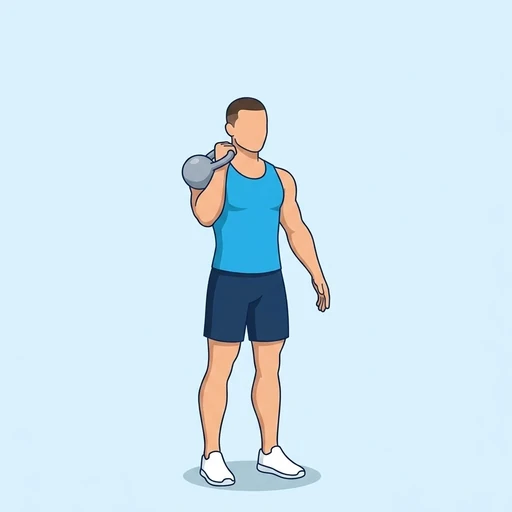
Muscles worked by the Kettlebell Rack Hold
Primary
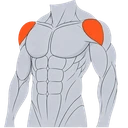 Front DeltsAnterior Deltoid
Secondary
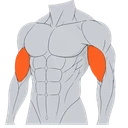 BicepsBiceps Brachii
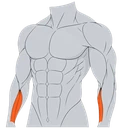 Forearm FlexorsWrist Flexor Muscles
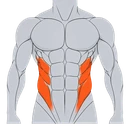 ObliquesOblique Abdominals
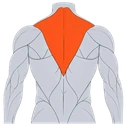 TrapsTrapezius
Also called: front deltoid, anterior delt, front delt, anterior deltoid.
Equipment
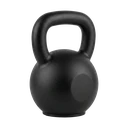 Kettlebell
Also called: kb, cast iron kettlebell, competition kettlebell, girya.
How to do the Kettlebell Rack Hold
- Clean a kettlebell to your shoulder so that the bell rests against the back of your forearm and your upper arm, with the handle in your palm.
- Stand with your feet about shoulder-width apart and your free arm relaxed at your side.
- Keep your elbow close to your ribs and your wrist straight, so that the bell sits on your chest and shoulder, not on your wrist.
- Stand tall, squeeze your glutes and brace your core without leaning away from the bell.
- Hold the position for the planned time, breathing slowly.
- Lower the kettlebell to the floor with control and switch arms.
Form tips
- Let the bell rest on your forearm and chest rather than gripping it hard, so that your forearm does not tire first.
- Keep the elbow tucked and the wrist straight; a bent wrist is the most common cause of a sore forearm.
- Do not lean back or shift your hips sideways to counter the weight; stay tall.
At a glance
| Body part | Shoulders |
|---|---|
| Category | Strength |
| Force type | Static |
| Mechanic | Compound |
| Difficulty | Beginner |
| Equipment | Kettlebell |
| Goals | Strength, Endurance |
| Tags | Shoulder focus, Knee safe, Lower back safe, No axial load |
| MET | 6.0 (metabolic equivalent, for calorie estimates) |
| Unilateral | Yes |
| Bodyweight | No |
| Dataset id | kettlebell-rack-hold |
Kettlebell Rack Hold in German & Spanish
| German | Kettlebell-Rack-Halt |
|---|---|
| Spanish | Sostén con Pesa Rusa en Posición de Rack |
Descriptions, instructions and tips ship in all three languages in the JSON.
Related exercises
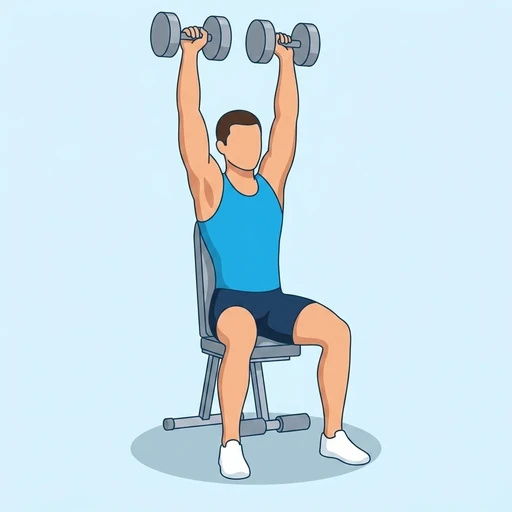 Arnold Press
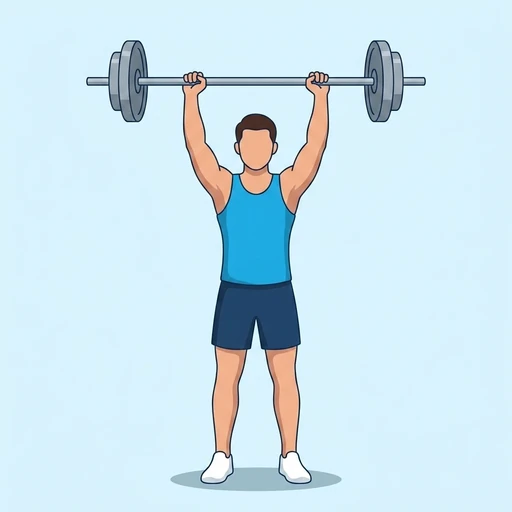 Barbell Overhead Press
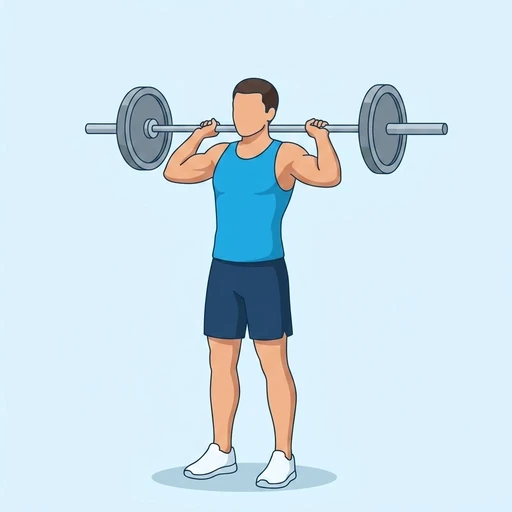 Behind the Neck Press
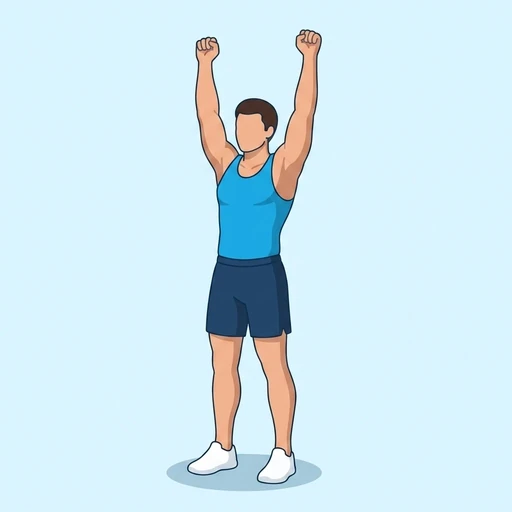 Bodyweight Overhead Press
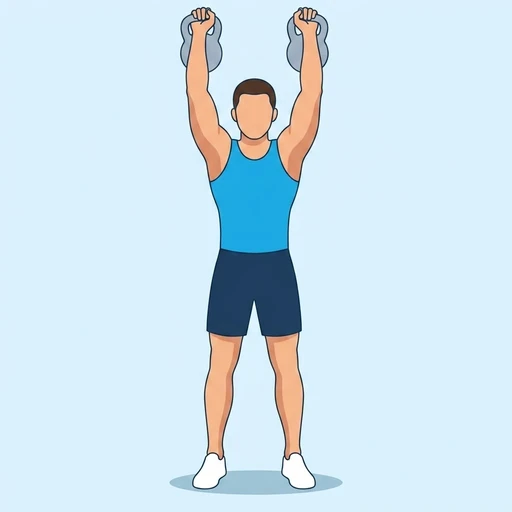 Double Kettlebell Overhead Press
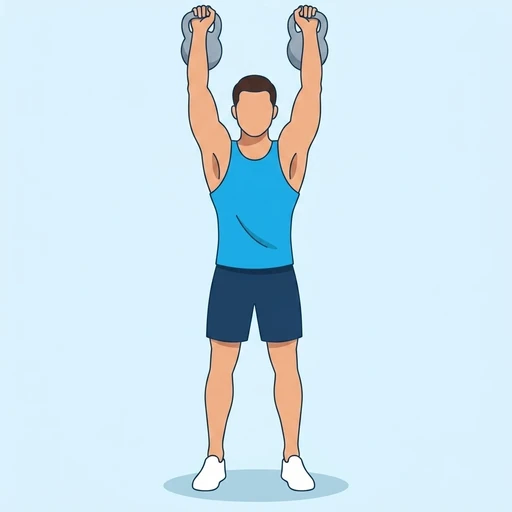 Double Kettlebell Push Press
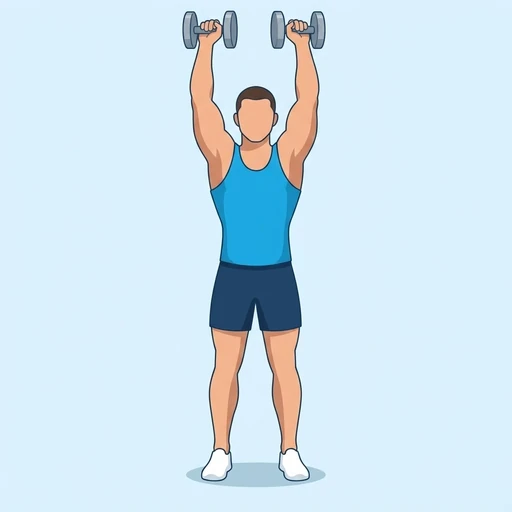 Dumbbell Curl and Press
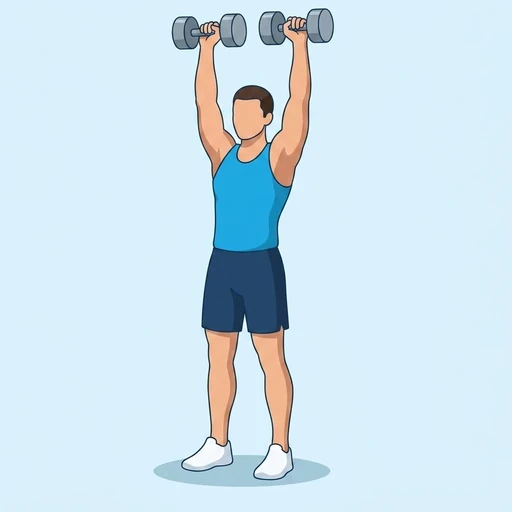 Dumbbell Shoulder Press
Exercise data (JSON)
The record below is exactly what exercises.json ships for this exercise — names, descriptions, instructions and tips in English, German and Spanish.
{
  "id": "kettlebell-rack-hold",
  "name_en": "Kettlebell Rack Hold",
  "name_de": "Kettlebell-Rack-Halt",
  "name_es": "Sostén con Pesa Rusa en Posición de Rack",
  "description_en": "A one-arm hold with the kettlebell resting in the rack position, against your chest and the back of your forearm at the shoulder. The shoulder, the upper back and the trunk work to carry the bell comfortably, which is the starting position of the press, the squat and many other kettlebell lifts.",
  "description_de": "Ein einarmiger Halt, bei dem die Kettlebell in der Rack-Position ruht, an deiner Brust und der Rückseite des Unterarms auf Schulterhöhe. Schulter, oberer Rücken und Rumpf arbeiten, um die Kugel bequem zu tragen; das ist die Ausgangsposition für das Drücken, die Kniebeuge und viele andere Kettlebell-Übungen.",
  "description_es": "Un aguante a un brazo con la pesa rusa apoyada en posición de rack, contra el pecho y la parte posterior del antebrazo a la altura del hombro. El hombro, la parte alta de la espalda y el tronco trabajan para cargar la campana con comodidad, que es la posición de partida del press, la sentadilla y muchos otros movimientos con pesa rusa.",
  "category": "strength",
  "force_type": "static",
  "mechanic": "compound",
  "difficulty": "beginner",
  "equipment": "kettlebell",
  "body_part": "shoulders",
  "primary_muscles": [
    "anterior_deltoid"
  ],
  "secondary_muscles": [
    "biceps_brachii",
    "forearm_flexors",
    "obliques",
    "trapezius"
  ],
  "goals": [
    "strength",
    "endurance"
  ],
  "tags": [
    "shoulder_focus",
    "knee_safe",
    "lower_back_safe",
    "no_axial_load"
  ],
  "variation_group": "overhead-press",
  "is_unilateral": true,
  "is_bodyweight": false,
  "instructions_en": [
    "Clean a kettlebell to your shoulder so that the bell rests against the back of your forearm and your upper arm, with the handle in your palm.",
    "Stand with your feet about shoulder-width apart and your free arm relaxed at your side.",
    "Keep your elbow close to your ribs and your wrist straight, so that the bell sits on your chest and shoulder, not on your wrist.",
    "Stand tall, squeeze your glutes and brace your core without leaning away from the bell.",
    "Hold the position for the planned time, breathing slowly.",
    "Lower the kettlebell to the floor with control and switch arms."
  ],
  "instructions_de": [
    "Bringe eine Kettlebell per Clean zur Schulter, sodass die Kugel an der Rückseite von Unterarm und Oberarm ruht und der Griff in deiner Handfläche liegt.",
    "Stehe mit etwa schulterbreit stehenden Füßen und dem freien Arm entspannt seitlich am Körper.",
    "Halte den Ellbogen nah an den Rippen und das Handgelenk gerade, sodass die Kugel auf Brust und Schulter sitzt, nicht auf dem Handgelenk.",
    "Stehe aufrecht, spanne die Gesäßmuskeln und den Rumpf an, ohne dich von der Kugel wegzulehnen.",
    "Halte die Position für die geplante Zeit und atme dabei langsam.",
    "Senke die Kettlebell kontrolliert auf den Boden und wechsle den Arm."
  ],
  "instructions_es": [
    "Haz una cargada con la pesa rusa hasta el hombro, de modo que la campana quede apoyada contra la parte posterior del antebrazo y la parte alta del brazo, con el asa en la palma.",
    "Colócate con los pies separados aproximadamente al ancho de los hombros y el brazo libre relajado a un costado.",
    "Mantén el codo cerca de las costillas y la muñeca recta, para que la campana descanse sobre el pecho y el hombro, no sobre la muñeca.",
    "Mantente erguido, aprieta los glúteos y contrae el core sin inclinarte para alejarte de la campana.",
    "Mantén la posición durante el tiempo previsto, respirando despacio.",
    "Baja la pesa rusa al suelo con control y cambia de brazo."
  ],
  "tips_en": [
    "Let the bell rest on your forearm and chest rather than gripping it hard, so that your forearm does not tire first.",
    "Keep the elbow tucked and the wrist straight; a bent wrist is the most common cause of a sore forearm.",
    "Do not lean back or shift your hips sideways to counter the weight; stay tall."
  ],
  "tips_de": [
    "Lass die Kugel auf Unterarm und Brust ruhen, statt sie fest zu umklammern, damit dein Unterarm nicht zuerst ermüdet.",
    "Halte den Ellbogen eng am Körper und das Handgelenk gerade; ein abgeknicktes Handgelenk ist die häufigste Ursache für einen schmerzenden Unterarm.",
    "Lehne dich nicht zurück und verschiebe die Hüfte nicht zur Seite, um das Gewicht auszugleichen; bleibe aufrecht."
  ],
  "tips_es": [
    "Deja que la campana descanse sobre el antebrazo y el pecho en lugar de agarrarla con fuerza, para que el antebrazo no se canse primero.",
    "Mantén el codo pegado y la muñeca recta; una muñeca doblada es la causa más común de un antebrazo dolorido.",
    "No te eches hacia atrás ni desplaces las caderas hacia un lado para contrarrestar el peso; mantente erguido."
  ],
  "met": 6.0,
  "images": {
    "flat": {
      "main": "images/flat/kettlebell-rack-hold-main.webp"
    }
  }
}
Fetch just this exercise
const { exercises } = await fetch(
  "https://exercise-dataset.com/exercises.json"
).then(r => r.json());
const ex = exercises.find(e => e.id === "kettlebell-rack-hold");
Free for personal and commercial in-app use with attribution (“Exercise data by RepDB”) — see the license and ready-made attribution snippets. Redistributing the data as a dataset or API is not permitted.