Legs-Up-the-Wall Pose
A restorative position with the hips close to a wall and the legs resting vertically against it, used for recovery rather than for effort.
Upper legs · Bodyweight · Beginner
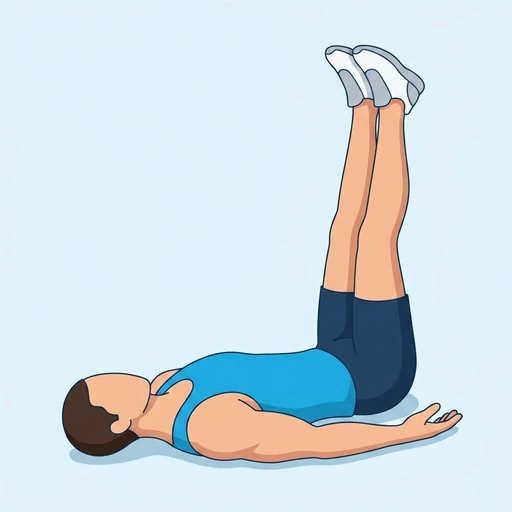
Muscles worked by the Legs-Up-the-Wall Pose
Primary
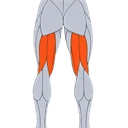 HamstringsHamstring Muscles
Secondary
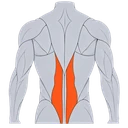 Lower BackErector Spinae
Also called: hamstring, hamstrings, posterior thigh, biceps femoris.
Equipment
No equipment — this is a bodyweight exercise.
How to do the Legs-Up-the-Wall Pose
- Sit sideways next to a wall with one hip touching it.
- Swing the legs up the wall as you lie back, so the hips end close to the base of the wall.
- Let the legs rest against the wall with the feet relaxed and the arms open at the sides.
- Stay for the prescribed time, breathing slowly.
- Bend the knees and roll to one side to come out.
Form tips
- Slide the hips a few centimetres away from the wall if the hamstrings feel pulled.
- Place a folded blanket under the pelvis for a gentler, more supported version.
- Keep the legs passive; this position is meant to cost no effort.
At a glance
| Body part | Upper legs |
|---|---|
| Category | Stretching |
| Force type | Static |
| Mechanic | Compound |
| Difficulty | Beginner |
| Equipment | Bodyweight |
| Goals | Mobility |
| Tags | Mobility, Stretching |
| MET | 1.5 (metabolic equivalent, for calorie estimates) |
| Unilateral | No |
| Bodyweight | Yes |
| Dataset id | legs-up-the-wall |
Legs-Up-the-Wall Pose in German & Spanish
| German | Beine an der Wand |
|---|---|
| Spanish | Piernas en la Pared |
Descriptions, instructions and tips ship in all three languages in the JSON.
Related exercises
 Banded Good Morning
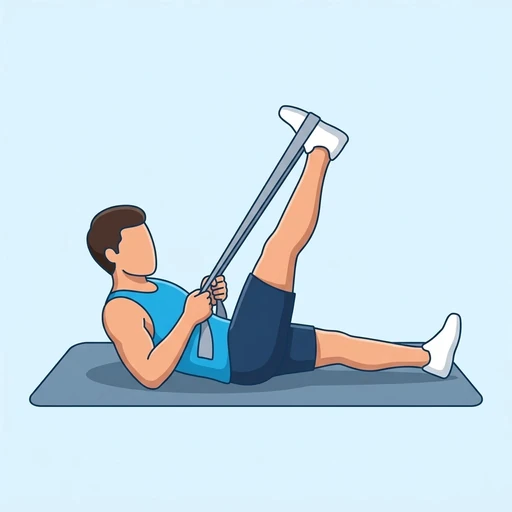 Banded Hamstring Stretch
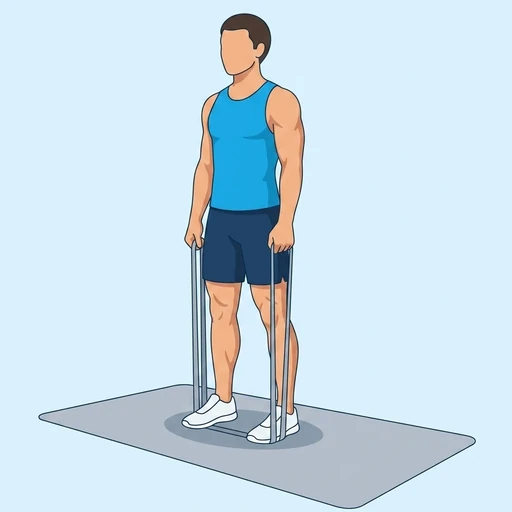 Banded Romanian Deadlift
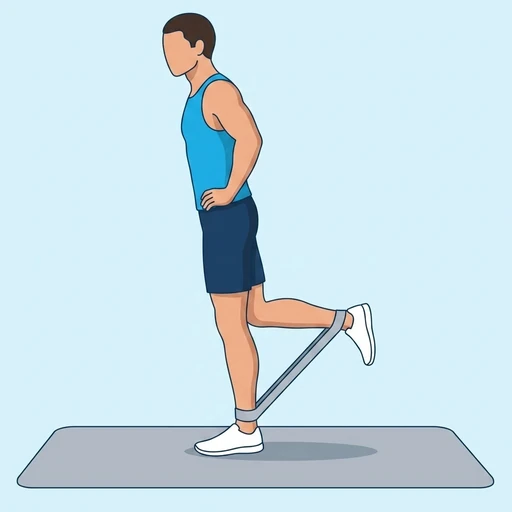 Banded Standing Leg Curl
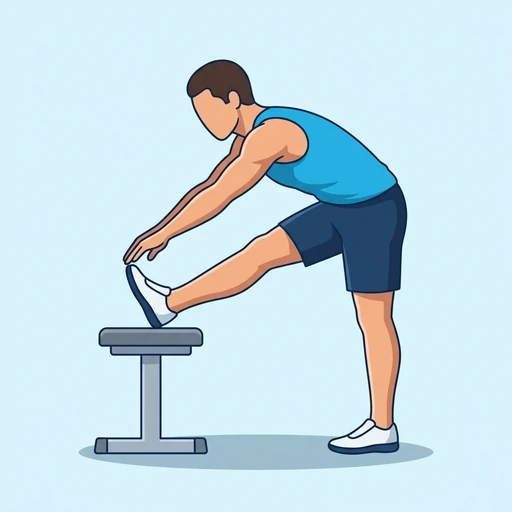 Bench Hamstring Stretch
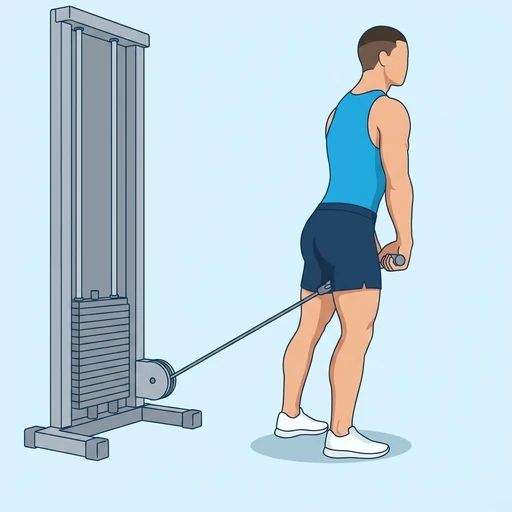 Cable Pull-Through
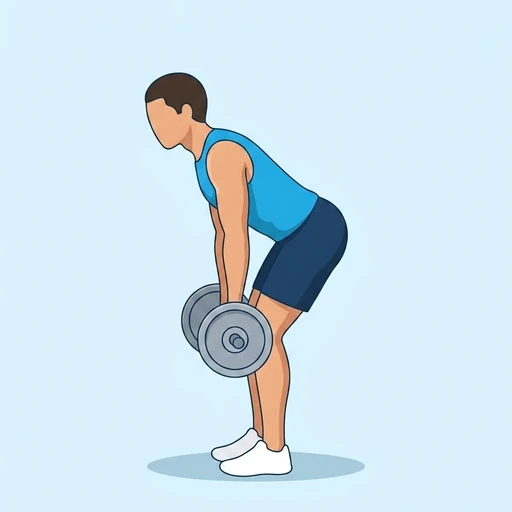 EZ-Bar Romanian Deadlift
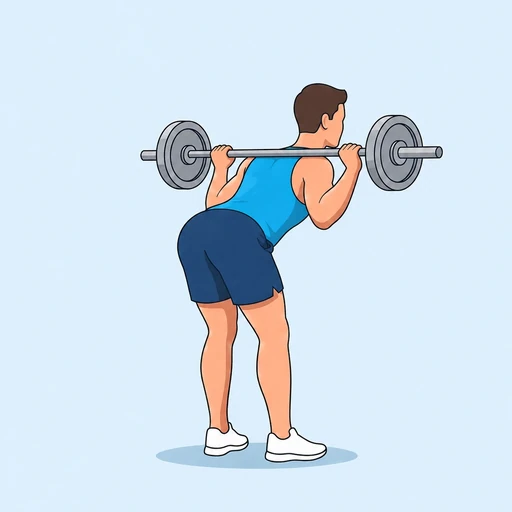 Good Morning
Exercise data (JSON)
The record below is exactly what exercises.json ships for this exercise — names, descriptions, instructions and tips in English, German and Spanish.
{
  "id": "legs-up-the-wall",
  "name_en": "Legs-Up-the-Wall Pose",
  "name_de": "Beine an der Wand",
  "name_es": "Piernas en la Pared",
  "description_en": "A restorative position with the hips close to a wall and the legs resting vertically against it, used for recovery rather than for effort.",
  "description_de": "Eine regenerative Position mit dem Becken nah an der Wand und senkrecht angelehnten Beinen - gedacht für Erholung, nicht für Anstrengung.",
  "description_es": "Una posición restaurativa con las caderas cerca de una pared y las piernas apoyadas en vertical, pensada para recuperar y no para esforzarse.",
  "category": "stretching",
  "force_type": "static",
  "mechanic": "compound",
  "difficulty": "beginner",
  "body_part": "upper_legs",
  "primary_muscles": [
    "hamstrings"
  ],
  "secondary_muscles": [
    "erector_spinae"
  ],
  "goals": [
    "mobility"
  ],
  "tags": [
    "mobility",
    "stretching"
  ],
  "is_unilateral": false,
  "is_bodyweight": true,
  "instructions_en": [
    "Sit sideways next to a wall with one hip touching it.",
    "Swing the legs up the wall as you lie back, so the hips end close to the base of the wall.",
    "Let the legs rest against the wall with the feet relaxed and the arms open at the sides.",
    "Stay for the prescribed time, breathing slowly.",
    "Bend the knees and roll to one side to come out."
  ],
  "instructions_de": [
    "Setz dich seitlich neben eine Wand, eine Hüfte berührt sie.",
    "Schwing die Beine an der Wand nach oben, während du dich zurücklegst, sodass das Becken nah an der Wand endet.",
    "Lass die Beine an der Wand ruhen, die Füße entspannt, die Arme seitlich geöffnet.",
    "Bleib für die vorgegebene Zeit und atme langsam.",
    "Beug die Knie und roll dich zur Seite, um herauszukommen."
  ],
  "instructions_es": [
    "Siéntate de lado junto a una pared con una cadera en contacto con ella.",
    "Sube las piernas por la pared mientras te tumbas, de modo que las caderas queden cerca de la base.",
    "Deja las piernas apoyadas en la pared, los pies relajados y los brazos abiertos a los lados.",
    "Permanece durante el tiempo indicado, respirando despacio.",
    "Flexiona las rodillas y rueda hacia un lado para salir."
  ],
  "tips_en": [
    "Slide the hips a few centimetres away from the wall if the hamstrings feel pulled.",
    "Place a folded blanket under the pelvis for a gentler, more supported version.",
    "Keep the legs passive; this position is meant to cost no effort."
  ],
  "tips_de": [
    "Schieb das Becken ein paar Zentimeter von der Wand weg, wenn die Beinrückseite zieht.",
    "Leg eine gefaltete Decke unter das Becken für eine sanftere, gestützte Variante.",
    "Lass die Beine passiv - diese Position soll keine Anstrengung kosten."
  ],
  "tips_es": [
    "Aleja las caderas unos centímetros de la pared si notas tirón en los isquiotibiales.",
    "Coloca una manta doblada bajo la pelvis para una versión más suave y sostenida.",
    "Mantén las piernas pasivas; esta posición no debe costar esfuerzo."
  ],
  "met": 1.5,
  "images": {
    "flat": {
      "main": "images/flat/legs-up-the-wall-main.webp"
    }
  }
}
Fetch just this exercise
const { exercises } = await fetch(
  "https://exercise-dataset.com/exercises.json"
).then(r => r.json());
const ex = exercises.find(e => e.id === "legs-up-the-wall");
Free for personal and commercial in-app use with attribution (“Exercise data by RepDB”) — see the license and ready-made attribution snippets. Redistributing the data as a dataset or API is not permitted.