Rack Pull
A partial-range deadlift variation performed from pins set at knee height, emphasizing the upper back, traps, and lockout strength with heavier-than-deadlift loads.
Back · Barbell · Intermediate
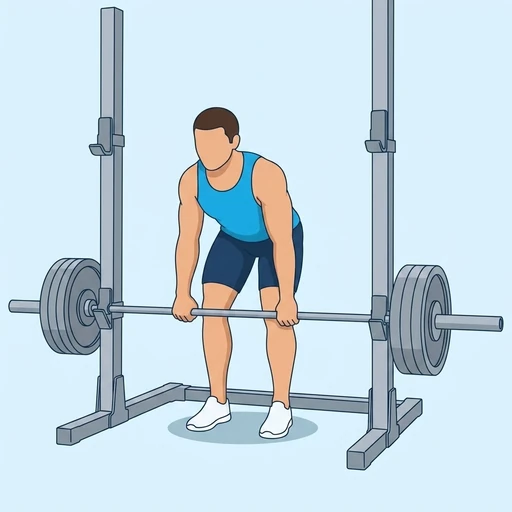
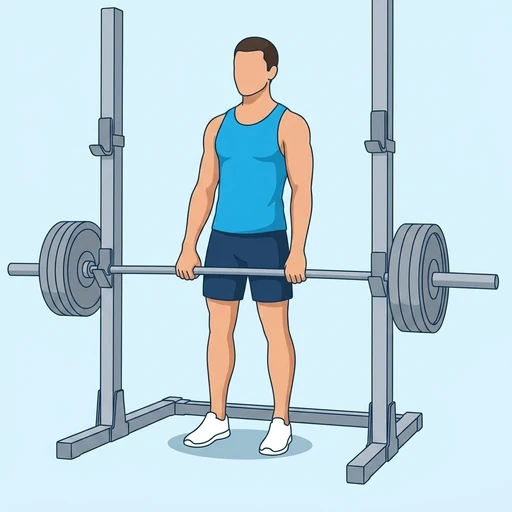
Muscles worked by the Rack Pull
Primary
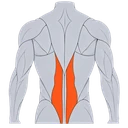 Lower BackErector Spinae
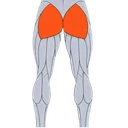 GlutesGluteus Maximus
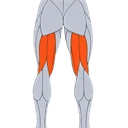 HamstringsHamstring Muscles
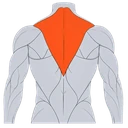 TrapsTrapezius
Secondary
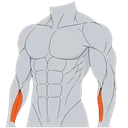 Forearm FlexorsWrist Flexor MusclesForearmsForearm Muscles
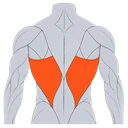 LatsLatissimus Dorsi
Also called: erector spinae, spinal erectors, lower back muscles, back extensors, glute, glutes.
Equipment
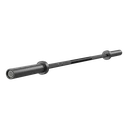 Barbell
Also called: bar, olympic barbell, straight bar, olympic bar, power bar.
How to do the Rack Pull
- Set the safety pins in a power rack at knee height and place a loaded barbell on them.
- Stand with feet hip-width apart and grip the bar just outside your legs.
- Brace your core, retract your shoulder blades, and drive through your legs to lift the bar.
- Lock out your hips and knees fully at the top.
- Return the bar to the pins under control and reset before the next rep.
Form tips
- Use a hip-hinge pattern — keep the bar close to your body throughout.
- Rack pulls allow loads well above your full deadlift max to overload the lockout.
- Focus on upper back tightness to prevent rounding at heavy weights.
At a glance
| Body part | Back |
|---|---|
| Category | Strength |
| Force type | Pull |
| Mechanic | Compound |
| Difficulty | Intermediate |
| Equipment | Barbell |
| Goals | Hypertrophy, Strength |
| Tags | Pull day, Back focus |
| MET | 6.0 (metabolic equivalent, for calorie estimates) |
| Unilateral | No |
| Bodyweight | No |
| Dataset id | rack-pull |
Rack Pull in German & Spanish
| German | Rack Pull |
|---|---|
| Spanish | Rack Pull |
Descriptions, instructions and tips ship in all three languages in the JSON.
Related exercises
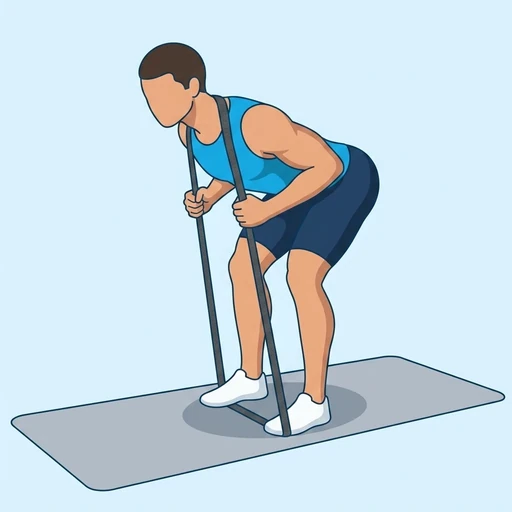 Banded Good Morning
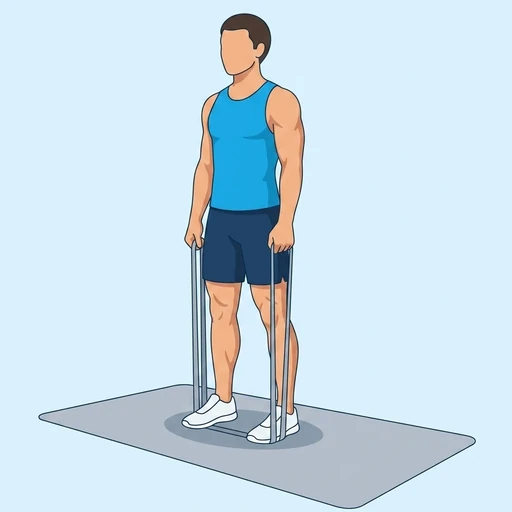 Banded Romanian Deadlift
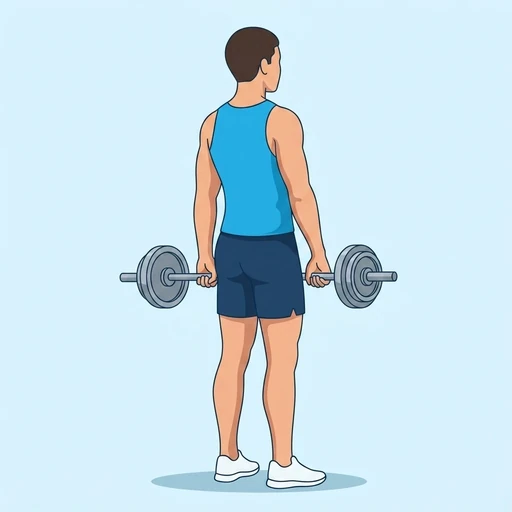 Barbell Deadlift
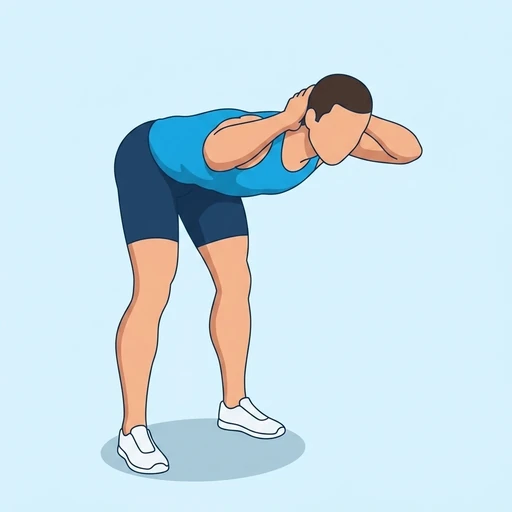 Bodyweight Good Morning
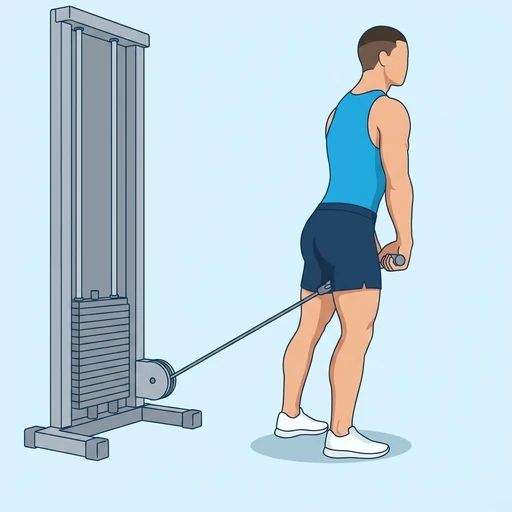 Cable Pull-Through
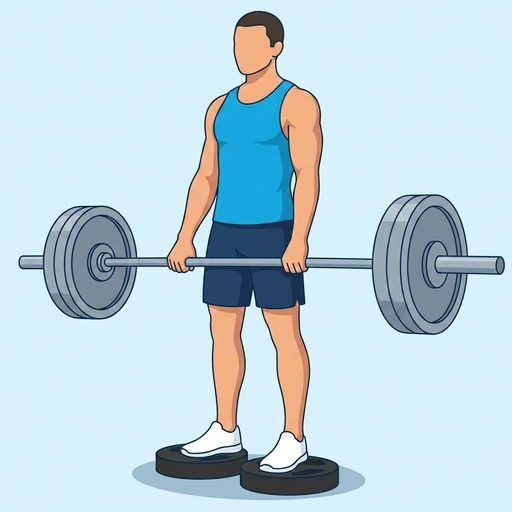 Deficit Deadlift
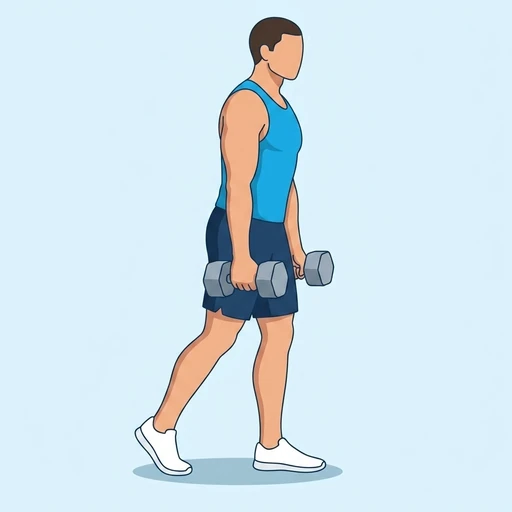 Double Dumbbell Kickstand Deadlift
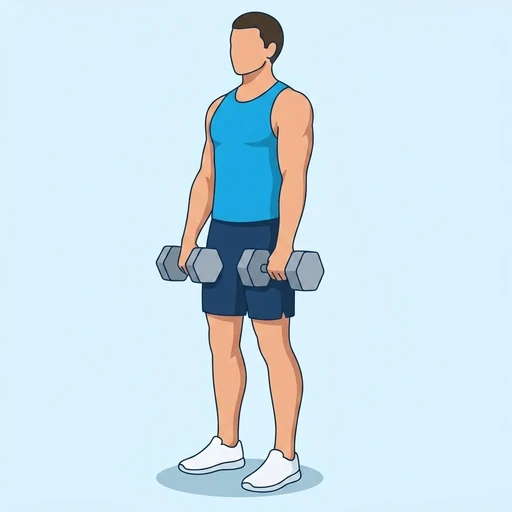 Dumbbell Deadlift
Exercise data (JSON)
The record below is exactly what exercises.json ships for this exercise — names, descriptions, instructions and tips in English, German and Spanish.
{
  "id": "rack-pull",
  "name_en": "Rack Pull",
  "name_de": "Rack Pull",
  "name_es": "Rack Pull",
  "description_en": "A partial-range deadlift variation performed from pins set at knee height, emphasizing the upper back, traps, and lockout strength with heavier-than-deadlift loads.",
  "description_de": "Eine Teilbewegung des Kreuzhebens aus dem Powerrack auf Kniehöhe, die den oberen Rücken, den Trapezmuskel und die Lockout-Kraft mit überschweren Lasten betont.",
  "description_es": "Una variación de peso muerto en rango parcial desde pines a la altura de las rodillas, que enfatiza la parte superior de la espalda, el trapecio y la fuerza de bloqueo con cargas superiores al peso muerto completo.",
  "category": "strength",
  "force_type": "pull",
  "mechanic": "compound",
  "difficulty": "intermediate",
  "equipment": "barbell",
  "body_part": "back",
  "primary_muscles": [
    "erector_spinae",
    "gluteus_maximus",
    "hamstrings",
    "trapezius"
  ],
  "secondary_muscles": [
    "forearm_flexors",
    "forearms",
    "latissimus_dorsi"
  ],
  "goals": [
    "hypertrophy",
    "strength"
  ],
  "tags": [
    "pull_day",
    "back_focus"
  ],
  "variation_group": "deadlift",
  "is_unilateral": false,
  "is_bodyweight": false,
  "instructions_en": [
    "Set the safety pins in a power rack at knee height and place a loaded barbell on them.",
    "Stand with feet hip-width apart and grip the bar just outside your legs.",
    "Brace your core, retract your shoulder blades, and drive through your legs to lift the bar.",
    "Lock out your hips and knees fully at the top.",
    "Return the bar to the pins under control and reset before the next rep."
  ],
  "instructions_de": [
    "Sicherheitsstifte im Powerrack auf Kniehöhe einstellen und eine beladene Langhantel darauflegen.",
    "Schulterbreit stehen und die Stange knapp außerhalb der Beine greifen.",
    "Rumpf stabilisieren, Schulterblätter zusammenziehen und durch die Beine drücken, um die Stange zu heben.",
    "Hüfte und Knie oben vollständig durchstrecken.",
    "Stange kontrolliert auf die Stifte zurücklegen und vor der nächsten Wiederholung neu ausrichten."
  ],
  "instructions_es": [
    "Coloca los pines de seguridad en un rack a la altura de las rodillas y apoya una barra cargada sobre ellos.",
    "Párate con los pies al ancho de caderas y agarra la barra justo fuera de las piernas.",
    "Activa el core, retrae las escápulas y empuja con las piernas para levantar la barra.",
    "Extiende completamente caderas y rodillas en la parte superior.",
    "Baja la barra a los pines con control y reposiciónate antes de la siguiente repetición."
  ],
  "tips_en": [
    "Use a hip-hinge pattern — keep the bar close to your body throughout.",
    "Rack pulls allow loads well above your full deadlift max to overload the lockout.",
    "Focus on upper back tightness to prevent rounding at heavy weights."
  ],
  "tips_de": [
    "Hüftgelenksbeugung beibehalten — die Stange eng am Körper halten.",
    "Rack Pulls ermöglichen Lasten über dem Maximalkrauzheben für den Lockout-Bereich.",
    "Auf Oberkörperspannung achten, um bei schweren Gewichten kein Runden zu verursachen."
  ],
  "tips_es": [
    "Usa una bisagra de cadera — mantén la barra cerca del cuerpo en todo momento.",
    "Los rack pulls permiten cargas superiores a tu máximo de peso muerto para sobrecargar el bloqueo.",
    "Enfócate en la tensión de la parte superior de la espalda para evitar el redondeo con cargas pesadas."
  ],
  "met": 6.0,
  "images": {
    "flat": {
      "start": "images/flat/rack-pull-start.webp",
      "peak": "images/flat/rack-pull-peak.webp"
    }
  }
}
Fetch just this exercise
const { exercises } = await fetch(
  "https://exercise-dataset.com/exercises.json"
).then(r => r.json());
const ex = exercises.find(e => e.id === "rack-pull");
Free for personal and commercial in-app use with attribution (“Exercise data by RepDB”) — see the license and ready-made attribution snippets. Redistributing the data as a dataset or API is not permitted.