Running
Unaided running over ground, with a flight phase in every stride where neither foot is down — the impact and the effort that separates it from walking.
Full body · Bodyweight · Beginner
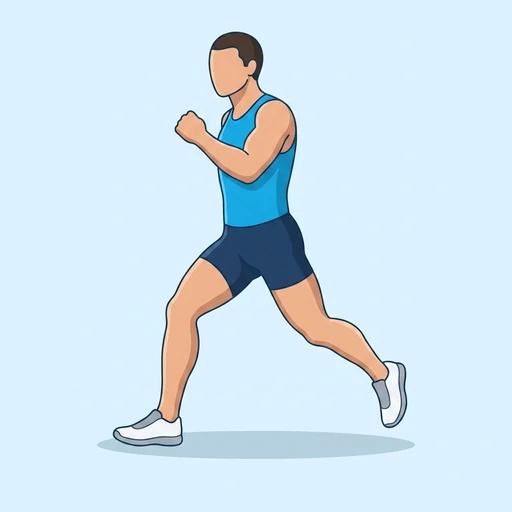
Muscles worked by the Running
Primary
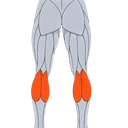 CalvesGastrocnemius
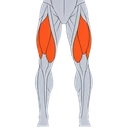 QuadsQuadriceps Femoris
Secondary
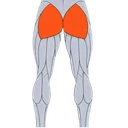 GlutesGluteus Maximus
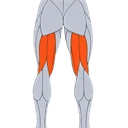 HamstringsHamstring Muscles
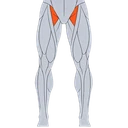 Hip FlexorsHip Flexor Muscles
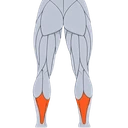 Soleus
Also called: calf, calves, gastrocnemius, gastroc, quad, quads.
Equipment
No equipment — this is a bodyweight exercise.
How to do the Running
- Start from an easy jog and build into your pace over the first few minutes rather than setting off at target speed.
- Land with your foot under your hips, not out in front, and keep the contact with the ground short and quiet.
- Run tall through the hips with a slight forward lean from the ankles, not a fold at the waist.
- Bend your elbows to about ninety degrees and drive your arms forward and back, keeping them off your chest.
- Breathe rhythmically and keep your shoulders, jaw and hands loose.
- Hold the pace for the desired time or distance, then jog and walk for a few minutes to finish.
Form tips
- Build weekly distance gradually. Almost every running injury comes from adding volume faster than the tendons and bones adapt, not from a single hard run.
- Most of your running should be easy enough to talk in. Running every session at a middling hard pace is the fastest way to plateau.
- Shorten your stride and let your cadence rise if you feel yourself thudding — reaching for a longer stride puts the brakes on with every footfall.
At a glance
| Body part | Full body |
|---|---|
| Category | Cardio |
| Force type | Dynamic |
| Mechanic | Compound |
| Difficulty | Beginner |
| Equipment | Bodyweight |
| Goals | Endurance |
| Tags | Full body, Conditioning |
| MET | 8.0 (metabolic equivalent, for calorie estimates) |
| Unilateral | No |
| Bodyweight | Yes |
| Dataset id | running |
Running in German & Spanish
| German | Laufen |
|---|---|
| Spanish | Correr |
Descriptions, instructions and tips ship in all three languages in the JSON.
Related exercises
 Air Bike
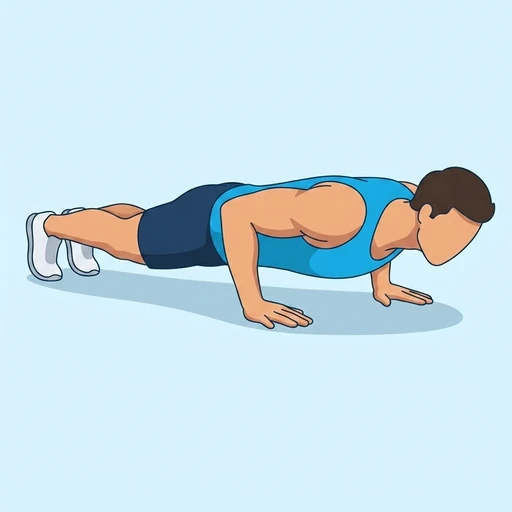 Burpees
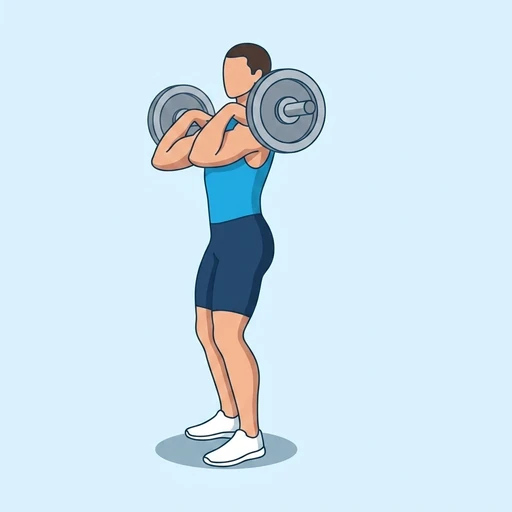 Clean
Clean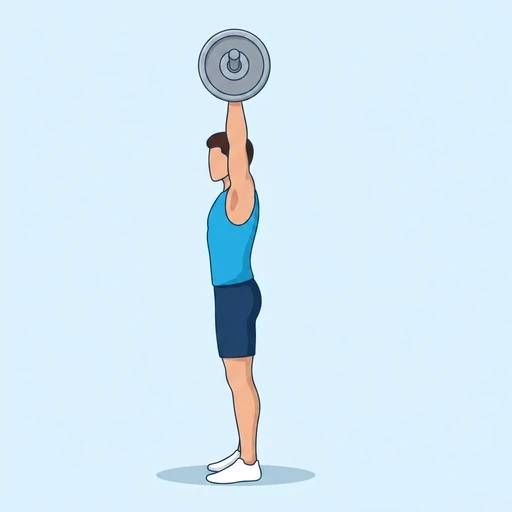 Clean and Jerk
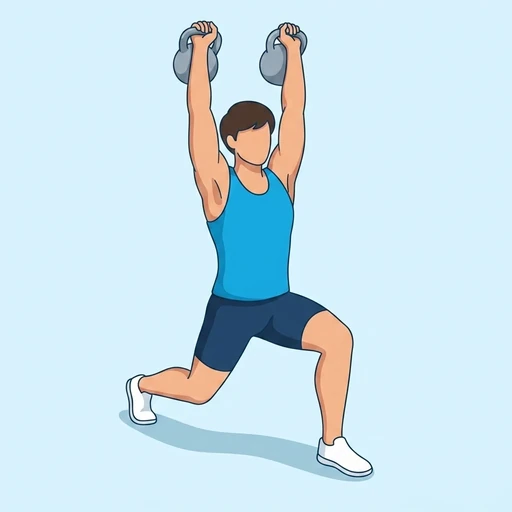 Double Kettlebell Split Jerk
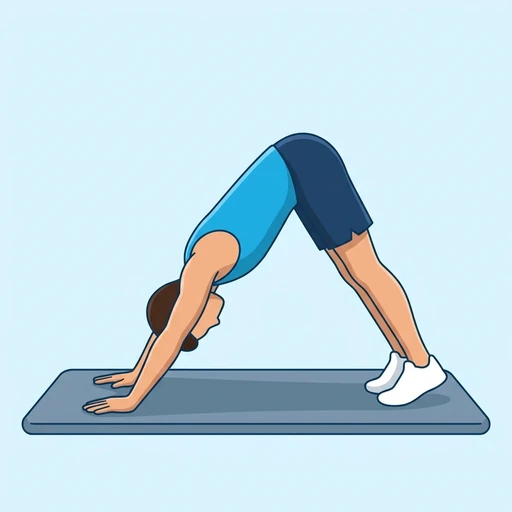 Downward-Facing Dog
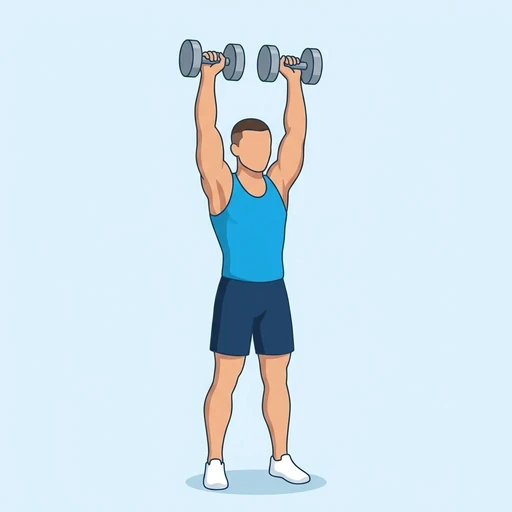 Dumbbell Clean and Press
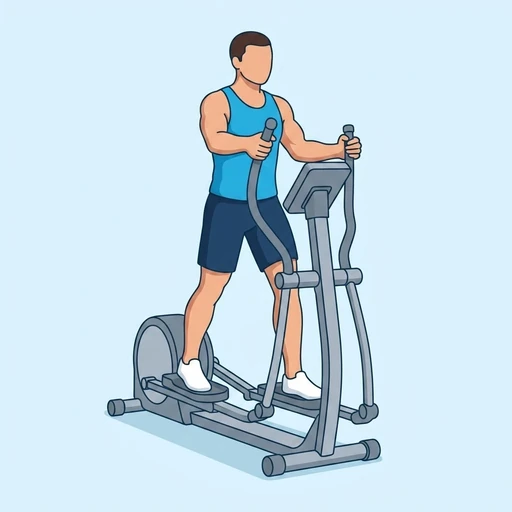 Elliptical Trainer
Exercise data (JSON)
The record below is exactly what exercises.json ships for this exercise — names, descriptions, instructions and tips in English, German and Spanish.
{
  "id": "running",
  "name_en": "Running",
  "name_de": "Laufen",
  "name_es": "Correr",
  "description_en": "Unaided running over ground, with a flight phase in every stride where neither foot is down — the impact and the effort that separates it from walking.",
  "description_de": "Laufen im Gelände oder auf der Straße, mit einer Flugphase in jedem Schritt, in der kein Fuß den Boden berührt — genau das unterscheidet es vom Gehen, in Belastung wie in Aufwand.",
  "description_es": "Carrera al aire libre, con una fase de vuelo en cada zancada en la que ningún pie toca el suelo — el impacto y el esfuerzo que la separan de caminar.",
  "category": "cardio",
  "force_type": "dynamic",
  "mechanic": "compound",
  "difficulty": "beginner",
  "body_part": "full_body",
  "primary_muscles": [
    "gastrocnemius",
    "quadriceps"
  ],
  "secondary_muscles": [
    "gluteus_maximus",
    "hamstrings",
    "hip_flexors",
    "soleus"
  ],
  "goals": [
    "endurance"
  ],
  "tags": [
    "full_body",
    "conditioning"
  ],
  "is_unilateral": false,
  "is_bodyweight": true,
  "instructions_en": [
    "Start from an easy jog and build into your pace over the first few minutes rather than setting off at target speed.",
    "Land with your foot under your hips, not out in front, and keep the contact with the ground short and quiet.",
    "Run tall through the hips with a slight forward lean from the ankles, not a fold at the waist.",
    "Bend your elbows to about ninety degrees and drive your arms forward and back, keeping them off your chest.",
    "Breathe rhythmically and keep your shoulders, jaw and hands loose.",
    "Hold the pace for the desired time or distance, then jog and walk for a few minutes to finish."
  ],
  "instructions_de": [
    "Starte locker traben und steigere dich in den ersten Minuten auf dein Tempo, statt sofort loszusprinten.",
    "Setz den Fuß unter der Hüfte auf, nicht weit vor dem Körper, und halt den Bodenkontakt kurz und leise.",
    "Lauf aufrecht aus der Hüfte, mit einer leichten Vorlage aus den Sprunggelenken statt einem Knick in der Taille.",
    "Beug die Ellenbogen auf etwa neunzig Grad und führ die Arme vor und zurück, ohne sie vor der Brust zu kreuzen.",
    "Atme rhythmisch und halt Schultern, Kiefer und Hände locker.",
    "Halt das Tempo die gewünschte Zeit oder Distanz, dann trab und geh ein paar Minuten aus."
  ],
  "instructions_es": [
    "Empieza con un trote suave y sube hasta tu ritmo durante los primeros minutos, en lugar de salir directamente a la velocidad objetivo.",
    "Apoya el pie bajo la cadera, no por delante del cuerpo, y mantén el contacto con el suelo corto y silencioso.",
    "Corre erguido desde la cadera, con una ligera inclinación desde los tobillos y sin doblarte por la cintura.",
    "Flexiona los codos unos noventa grados y lleva los brazos adelante y atrás, sin cruzarlos sobre el pecho.",
    "Respira con ritmo y mantén sueltos los hombros, la mandíbula y las manos.",
    "Sostén el ritmo el tiempo o la distancia deseados, luego trota y camina unos minutos para terminar."
  ],
  "tips_en": [
    "Build weekly distance gradually. Almost every running injury comes from adding volume faster than the tendons and bones adapt, not from a single hard run.",
    "Most of your running should be easy enough to talk in. Running every session at a middling hard pace is the fastest way to plateau.",
    "Shorten your stride and let your cadence rise if you feel yourself thudding — reaching for a longer stride puts the brakes on with every footfall."
  ],
  "tips_de": [
    "Steigere den Wochenumfang langsam. Fast jede Laufverletzung kommt daher, dass der Umfang schneller wächst als Sehnen und Knochen sich anpassen — nicht von einem einzelnen harten Lauf.",
    "Der Großteil deiner Läufe sollte so locker sein, dass du dabei reden kannst. Jede Einheit im mittelharten Bereich zu laufen ist der schnellste Weg ins Plateau.",
    "Wenn du merkst, dass du aufstampfst, verkürze den Schritt und lass die Schrittfrequenz steigen — nach einem längeren Schritt zu greifen bremst dich bei jedem Aufsetzen."
  ],
  "tips_es": [
    "Aumenta el volumen semanal poco a poco. Casi toda lesión al correr viene de sumar kilómetros más rápido de lo que se adaptan tendones y huesos, no de una sola tirada dura.",
    "La mayor parte de tus carreras debe ser lo bastante suave como para poder hablar. Correr cada sesión a un ritmo medio-fuerte es la vía más rápida al estancamiento.",
    "Si notas que pisas con estruendo, acorta la zancada y deja subir la cadencia — buscar un paso más largo pone el freno en cada apoyo."
  ],
  "met": 8.0,
  "images": {
    "flat": {
      "main": "images/flat/running-main.webp"
    }
  }
}
Fetch just this exercise
const { exercises } = await fetch(
  "https://exercise-dataset.com/exercises.json"
).then(r => r.json());
const ex = exercises.find(e => e.id === "running");
Free for personal and commercial in-app use with attribution (“Exercise data by RepDB”) — see the license and ready-made attribution snippets. Redistributing the data as a dataset or API is not permitted.