Barbell Shrug
An isolation movement for the upper trapezius.
Shoulders · Barbell · Beginner
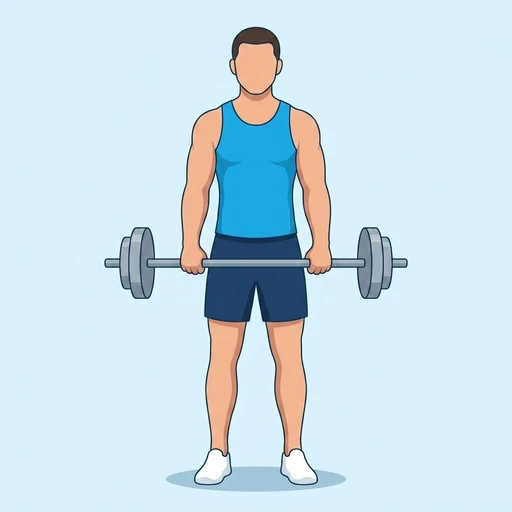
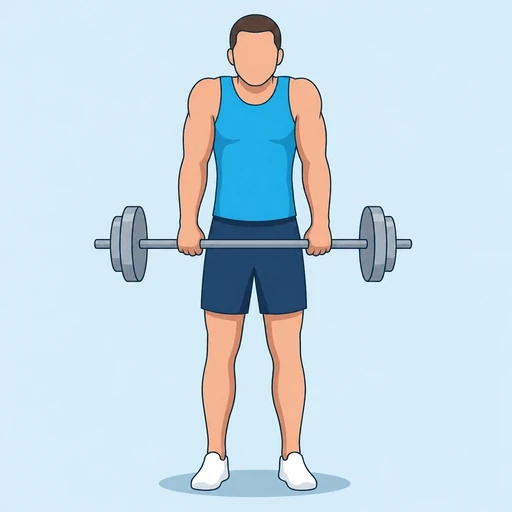
Muscles worked by the Barbell Shrug
Primary
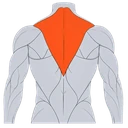 TrapsTrapezius
Secondary
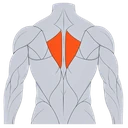 RhomboidsRhomboid Muscles
Also called: trap, traps, trapezius, upper traps, lower traps, mid traps.
Equipment
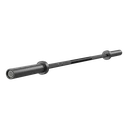 Barbell
Also called: bar, olympic barbell, straight bar, olympic bar, power bar.
How to do the Barbell Shrug
- Stand holding a barbell at arm's length with an overhand grip.
- Shrug your shoulders straight up toward your ears.
- Hold briefly at the top.
- Lower your shoulders back down with control.
- Repeat.
Form tips
- Avoid rolling the shoulders forward or backward at the top.
- Keep your arms relaxed and let the traps do the work.
- Keep your neck neutral instead of jutting the chin forward.
At a glance
| Body part | Shoulders |
|---|---|
| Category | Strength |
| Force type | Pull |
| Mechanic | Isolation |
| Difficulty | Beginner |
| Equipment | Barbell |
| Goals | Hypertrophy, Strength |
| Tags | Knee safe, Lower back safe, Shoulder safe, No axial load |
| MET | 5.0 (metabolic equivalent, for calorie estimates) |
| Unilateral | No |
| Bodyweight | No |
| Dataset id | shrug |
Barbell Shrug in German & Spanish
| German | Langhantel Shrug |
|---|---|
| Spanish | Encogimiento con Barra |
Descriptions, instructions and tips ship in all three languages in the JSON.
Related exercises
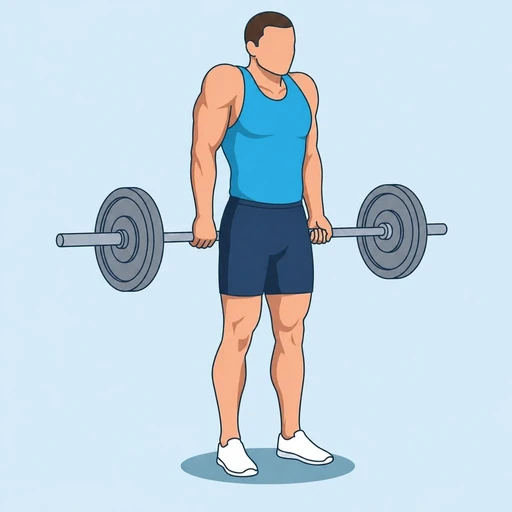 Behind the Back Barbell Shrug
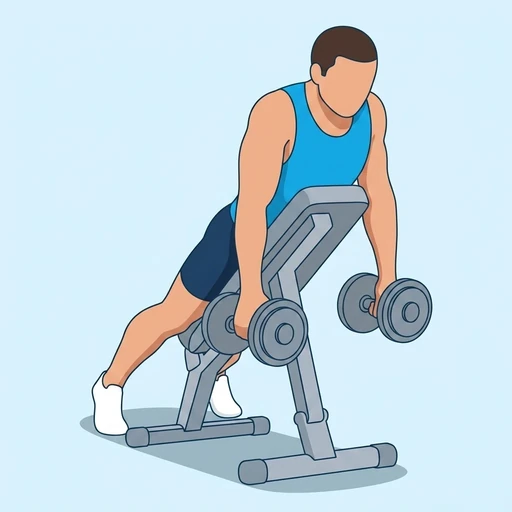 Chest Supported Dumbbell Shrug
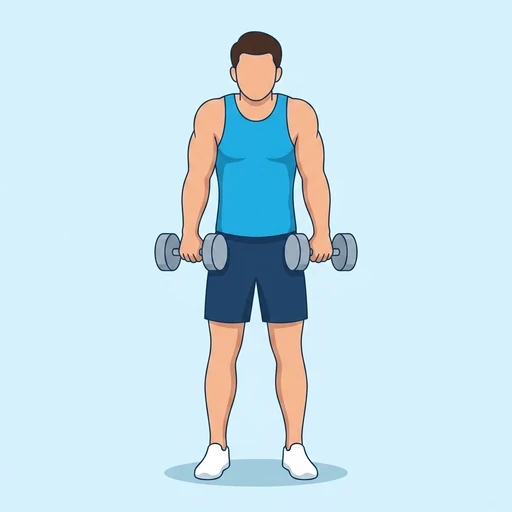 Dumbbell Shrug
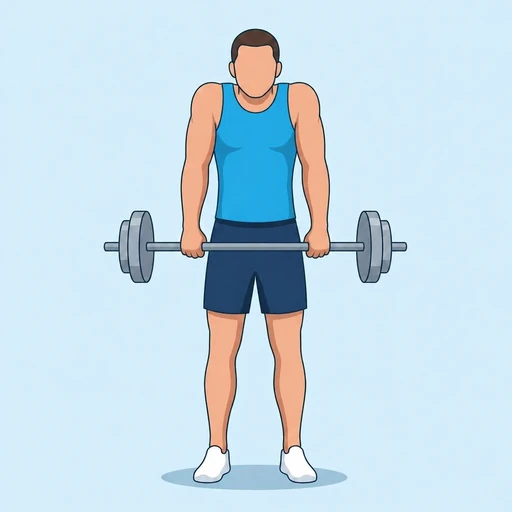 EZ-Bar Shrug
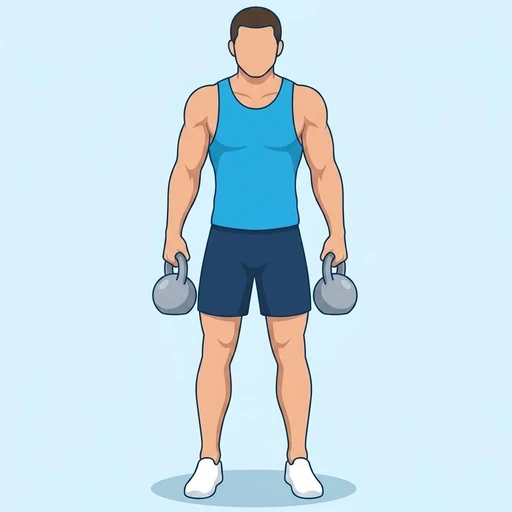 Kettlebell Shrug
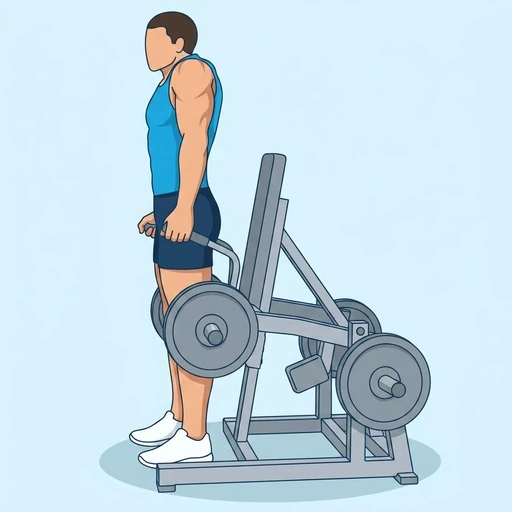 Plate-Loaded Shrug
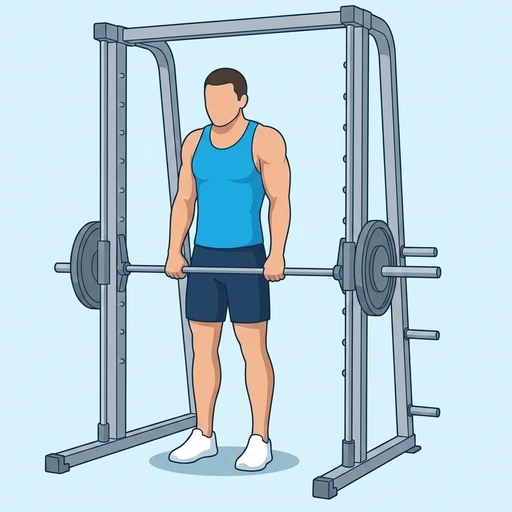 Smith Machine Shrug
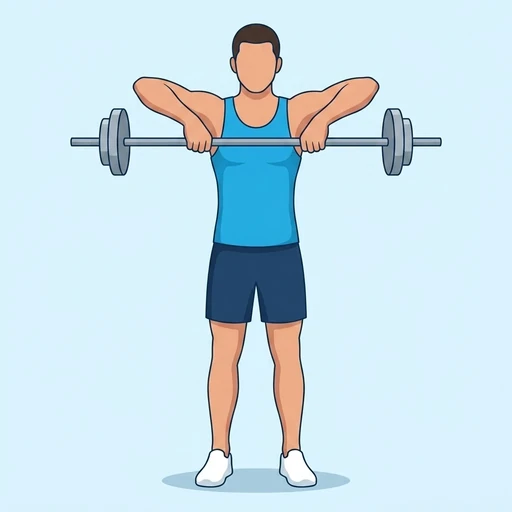 Barbell Upright Row
Exercise data (JSON)
The record below is exactly what exercises.json ships for this exercise — names, descriptions, instructions and tips in English, German and Spanish.
{
  "id": "shrug",
  "name_en": "Barbell Shrug",
  "name_de": "Langhantel Shrug",
  "name_es": "Encogimiento con Barra",
  "description_en": "An isolation movement for the upper trapezius.",
  "description_de": "Eine Isolationsübung für den oberen Trapezmuskel.",
  "description_es": "Un movimiento de aislamiento para el trapecio superior.",
  "category": "strength",
  "force_type": "pull",
  "mechanic": "isolation",
  "difficulty": "beginner",
  "equipment": "barbell",
  "body_part": "shoulders",
  "primary_muscles": [
    "trapezius"
  ],
  "secondary_muscles": [
    "rhomboids"
  ],
  "goals": [
    "hypertrophy",
    "strength"
  ],
  "tags": [
    "knee_safe",
    "lower_back_safe",
    "shoulder_safe",
    "no_axial_load"
  ],
  "variation_group": "shrug",
  "is_unilateral": false,
  "is_bodyweight": false,
  "instructions_en": [
    "Stand holding a barbell at arm's length with an overhand grip.",
    "Shrug your shoulders straight up toward your ears.",
    "Hold briefly at the top.",
    "Lower your shoulders back down with control.",
    "Repeat."
  ],
  "instructions_de": [
    "Stehe und halte eine Langhantel mit einem Obergriff in hängenden Armen.",
    "Ziehe die Schultern gerade nach oben in Richtung Ohren.",
    "Halte kurz oben inne.",
    "Senke die Schultern kontrolliert wieder ab.",
    "Wiederhole."
  ],
  "instructions_es": [
    "De pie, sostén una barra a lo largo de los brazos con agarre en pronación.",
    "Encoge los hombros directamente hacia las orejas.",
    "Mantén brevemente en la parte superior.",
    "Baja los hombros con control.",
    "Repite."
  ],
  "tips_en": [
    "Avoid rolling the shoulders forward or backward at the top.",
    "Keep your arms relaxed and let the traps do the work.",
    "Keep your neck neutral instead of jutting the chin forward."
  ],
  "tips_de": [
    "Halte die Arme gestreckt, die Schultern übernehmen die Arbeit.",
    "Vermeide kreisende Bewegungen mit den Schultern.",
    "Arbeite ohne Schwung aus den Beinen."
  ],
  "tips_es": [
    "Sube los hombros en vertical, sin hacer círculos.",
    "No uses los brazos; los codos quedan extendidos todo el tiempo.",
    "Evita impulsarte con las piernas para subir más peso."
  ],
  "met": 5.0,
  "images": {
    "flat": {
      "start": "images/flat/shrug-start.webp",
      "peak": "images/flat/shrug-peak.webp"
    }
  }
}
Fetch just this exercise
const { exercises } = await fetch(
  "https://exercise-dataset.com/exercises.json"
).then(r => r.json());
const ex = exercises.find(e => e.id === "shrug");
Free for personal and commercial in-app use with attribution (“Exercise data by RepDB”) — see the license and ready-made attribution snippets. Redistributing the data as a dataset or API is not permitted.