Single-Arm Plate-Loaded Lateral Raise
The plate-loaded machine lateral raise worked one arm at a time, so each side lifts its own load and the two can be trained to the same standard.
Shoulders · Plate-Loaded Lateral Raise Machine · Beginner
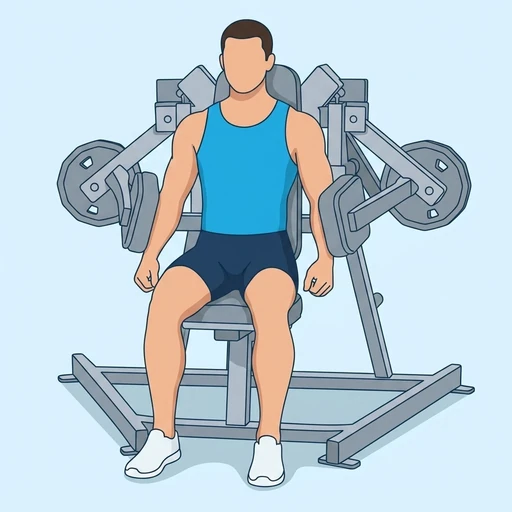
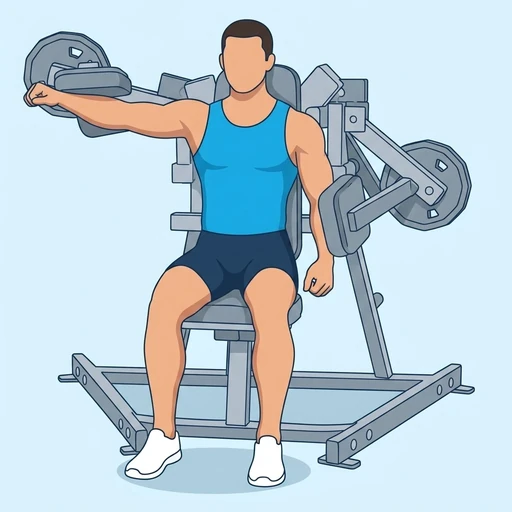
Muscles worked by the Single-Arm Plate-Loaded Lateral Raise
Primary
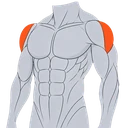 Side DeltsLateral Deltoid
Secondary
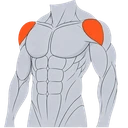 Front DeltsAnterior Deltoid
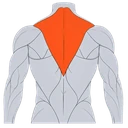 TrapsTrapezius
Also called: side deltoid, lateral delt, side delt, medial deltoid, lateral deltoid.
Equipment
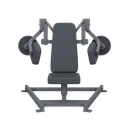 Plate-Loaded Lateral Raise Machine
Also called: iso-lateral raise machine, plate loaded side raise, plate loaded delt raise, iso lateral lateral raise.
How to do the Single-Arm Plate-Loaded Lateral Raise
- Set the seat height so the pad pivot lines up with your shoulder, and load only the side you are about to work.
- Sit with your back flat against the pad and place the outside of your working upper arm against its pad.
- Hold the handle on the free side or rest that hand in your lap, and keep your torso square to the seat.
- Push the working arm out and up against the pad until the upper arm is level with your shoulder, then lower it under control.
- Complete all the repetitions on that side, then load and work the other side.
Form tips
- Match the sides on the weaker arm, not the stronger one. Working one side at a time only tells you about an imbalance if you let the weaker side set the number.
- Do not let the torso tip toward the working side. With load on one arm only, the machine no longer balances itself and leaning turns the raise into a side bend.
- Start with the weaker arm so it sets the target, and give both sides the same rest.
At a glance
| Body part | Shoulders |
|---|---|
| Category | Strength |
| Force type | Push |
| Mechanic | Isolation |
| Difficulty | Beginner |
| Equipment | Plate-Loaded Lateral Raise Machine |
| Goals | Hypertrophy |
| Tags | Knee safe, No axial load, Lower back safe, Shoulder safe |
| MET | 5.0 (metabolic equivalent, for calorie estimates) |
| Unilateral | Yes |
| Bodyweight | No |
| Dataset id | single-arm-plate-loaded-lateral-raise |
Single-Arm Plate-Loaded Lateral Raise in German & Spanish
| German | Einarmiges Seitheben an der Scheibenmaschine |
|---|---|
| Spanish | Elevación Lateral a Un Brazo en Máquina de Discos |
Descriptions, instructions and tips ship in all three languages in the JSON.
Related exercises
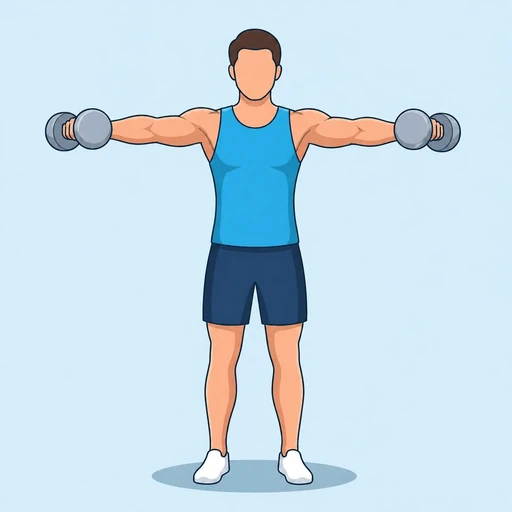 Dumbbell Lateral Raise
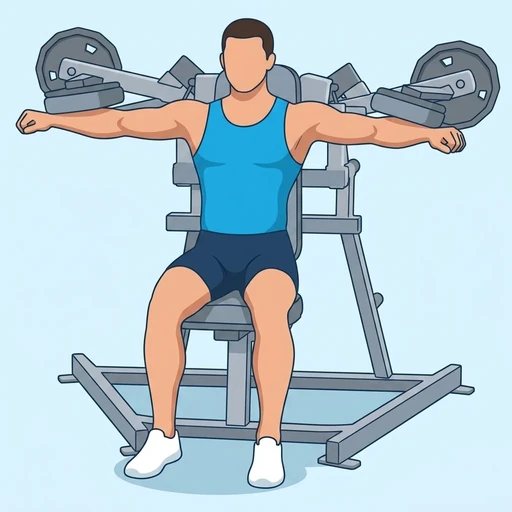 Plate-Loaded Lateral Raise
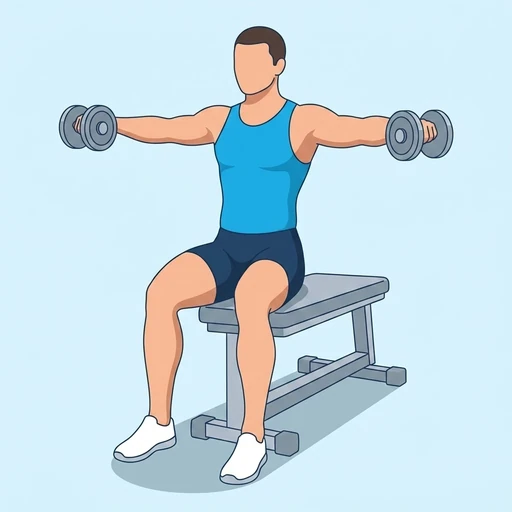 Seated Dumbbell Lateral Raise
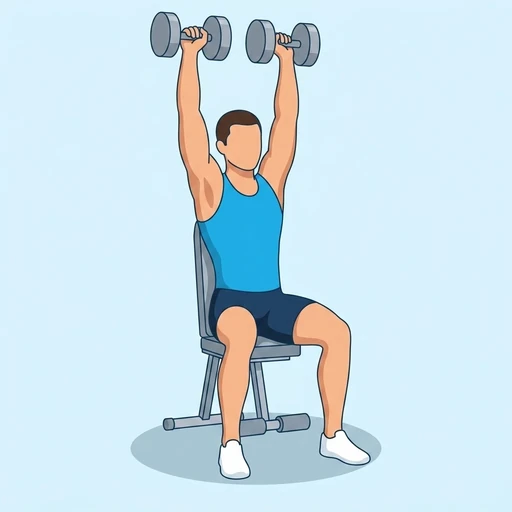 Arnold Press
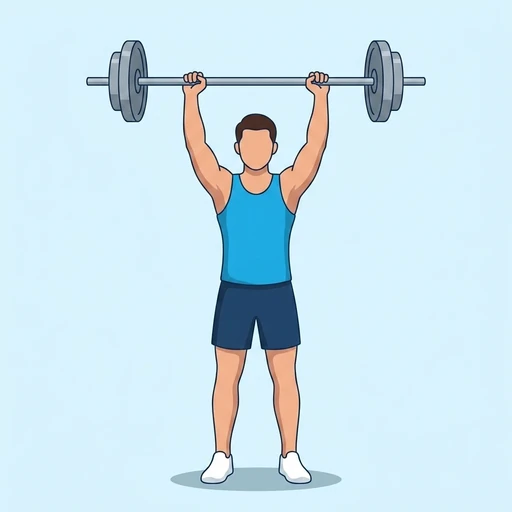 Barbell Overhead Press
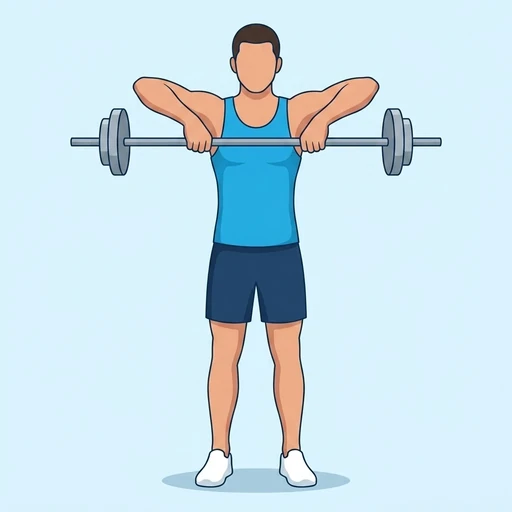 Barbell Upright Row
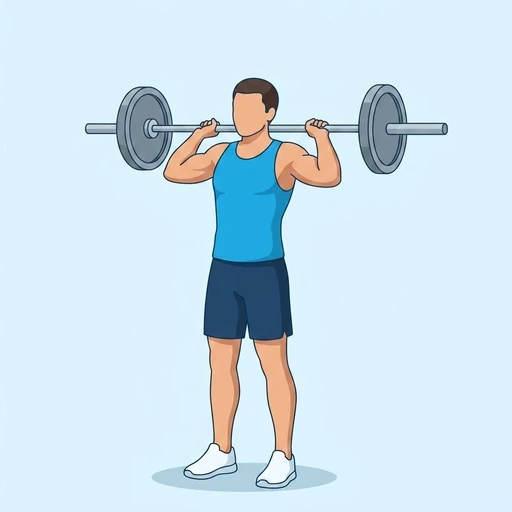 Behind the Neck Press
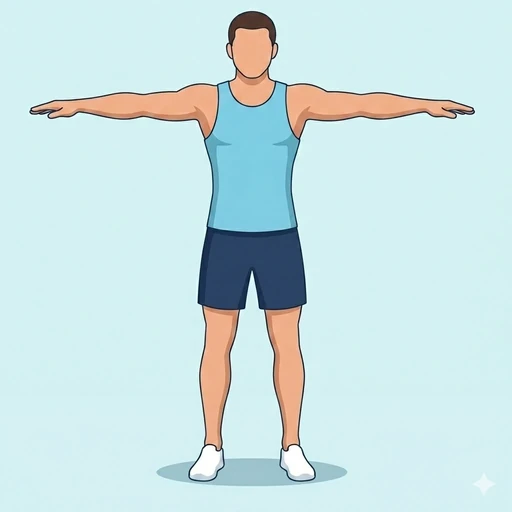 Bodyweight Lateral Raise
Exercise data (JSON)
The record below is exactly what exercises.json ships for this exercise — names, descriptions, instructions and tips in English, German and Spanish.
{
  "id": "single-arm-plate-loaded-lateral-raise",
  "name_en": "Single-Arm Plate-Loaded Lateral Raise",
  "name_de": "Einarmiges Seitheben an der Scheibenmaschine",
  "name_es": "Elevación Lateral a Un Brazo en Máquina de Discos",
  "description_en": "The plate-loaded machine lateral raise worked one arm at a time, so each side lifts its own load and the two can be trained to the same standard.",
  "description_de": "Das Seitheben an der Scheibenmaschine mit jeweils einem Arm, sodass jede Seite ihre eigene Last hebt und beide auf denselben Stand gebracht werden können.",
  "description_es": "La elevación lateral en máquina de discos trabajando un brazo cada vez, de modo que cada lado levanta su propia carga y ambos pueden entrenarse hasta el mismo nivel.",
  "category": "strength",
  "force_type": "push",
  "mechanic": "isolation",
  "difficulty": "beginner",
  "equipment": "plate_loaded_lateral_raise_machine",
  "body_part": "shoulders",
  "primary_muscles": [
    "lateral_deltoid"
  ],
  "secondary_muscles": [
    "anterior_deltoid",
    "trapezius"
  ],
  "goals": [
    "hypertrophy"
  ],
  "tags": [
    "knee_safe",
    "no_axial_load",
    "lower_back_safe",
    "shoulder_safe"
  ],
  "variation_group": "lateral-raise",
  "is_unilateral": true,
  "is_bodyweight": false,
  "instructions_en": [
    "Set the seat height so the pad pivot lines up with your shoulder, and load only the side you are about to work.",
    "Sit with your back flat against the pad and place the outside of your working upper arm against its pad.",
    "Hold the handle on the free side or rest that hand in your lap, and keep your torso square to the seat.",
    "Push the working arm out and up against the pad until the upper arm is level with your shoulder, then lower it under control.",
    "Complete all the repetitions on that side, then load and work the other side."
  ],
  "instructions_de": [
    "Stelle die Sitzhöhe so ein, dass der Polster-Drehpunkt auf Höhe deiner Schulter liegt, und belade nur die Seite, die du gleich trainierst.",
    "Setze dich mit flach anliegendem Rücken an das Polster und lege die Außenseite deines Arbeitsarms an sein Polster.",
    "Halte dich auf der freien Seite am Griff fest oder lege die Hand in den Schoß, und halte den Oberkörper gerade zum Sitz ausgerichtet.",
    "Drücke den Arbeitsarm gegen das Polster nach außen und oben, bis der Oberarm auf Schulterhöhe ist, und senke ihn kontrolliert ab.",
    "Absolviere alle Wiederholungen auf dieser Seite, belade dann die andere Seite und wiederhole."
  ],
  "instructions_es": [
    "Ajusta la altura del asiento para que el eje de la almohadilla quede alineado con tu hombro y carga solo el lado que vas a trabajar.",
    "Siéntate con la espalda apoyada en el respaldo y coloca la cara externa del brazo que trabaja contra su almohadilla.",
    "Sujeta la empuñadura del lado libre o apoya esa mano en el regazo, y mantén el torso alineado con el asiento.",
    "Empuja el brazo que trabaja hacia fuera y hacia arriba contra la almohadilla hasta la altura del hombro, y baja de forma controlada.",
    "Completa todas las repeticiones de ese lado, luego carga y trabaja el otro lado."
  ],
  "tips_en": [
    "Match the sides on the weaker arm, not the stronger one. Working one side at a time only tells you about an imbalance if you let the weaker side set the number.",
    "Do not let the torso tip toward the working side. With load on one arm only, the machine no longer balances itself and leaning turns the raise into a side bend.",
    "Start with the weaker arm so it sets the target, and give both sides the same rest."
  ],
  "tips_de": [
    "Richte beide Seiten am schwächeren Arm aus, nicht am stärkeren. Einseitiges Training zeigt eine Asymmetrie nur dann, wenn die schwächere Seite die Wiederholungszahl vorgibt.",
    "Lass den Oberkörper nicht zur Arbeitsseite kippen. Mit Last auf nur einem Arm gleicht sich die Maschine nicht mehr selbst aus, und Seitneigung macht aus dem Heben eine Rumpfbeuge.",
    "Beginne mit dem schwächeren Arm, damit er die Vorgabe setzt, und gib beiden Seiten dieselbe Pause."
  ],
  "tips_es": [
    "Iguala los lados por el brazo débil, no por el fuerte. Trabajar un lado cada vez solo revela un desequilibrio si dejas que el lado débil fije el número de repeticiones.",
    "No dejes que el torso se incline hacia el lado que trabaja. Con carga en un solo brazo la máquina ya no se equilibra sola, y inclinarse convierte la elevación en una flexión lateral.",
    "Empieza por el brazo débil para que marque el objetivo, y da el mismo descanso a los dos lados."
  ],
  "met": 5.0,
  "images": {
    "flat": {
      "start": "images/flat/single-arm-plate-loaded-lateral-raise-start.webp",
      "peak": "images/flat/single-arm-plate-loaded-lateral-raise-peak.webp"
    }
  }
}
Fetch just this exercise
const { exercises } = await fetch(
  "https://exercise-dataset.com/exercises.json"
).then(r => r.json());
const ex = exercises.find(e => e.id === "single-arm-plate-loaded-lateral-raise");
Free for personal and commercial in-app use with attribution (“Exercise data by RepDB”) — see the license and ready-made attribution snippets. Redistributing the data as a dataset or API is not permitted.