Suitcase Carry
A loaded walk with the weight in one hand only, so the trunk has to resist bending toward the load for the whole distance — the unilateral counterpart to the farmer's walk.
Core · Kettlebell · Beginner
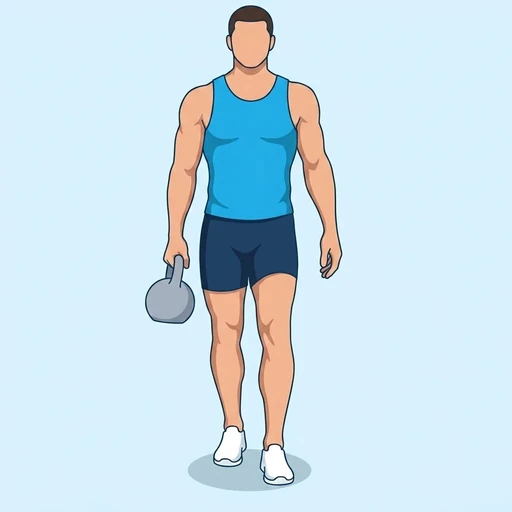
Muscles worked by the Suitcase Carry
Primary
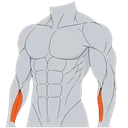 Forearm FlexorsWrist Flexor Muscles
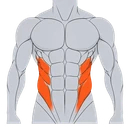 ObliquesOblique Abdominals
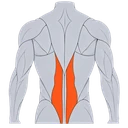 Quadratus Lumborum
Secondary
Lower BackErector Spinae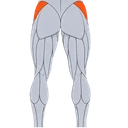 Glute MediusGluteus Medius
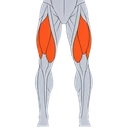 QuadsQuadriceps Femoris
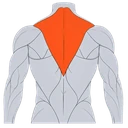 TrapsTrapezius
Also called: wrist flexors, flexor carpi, forearm flexors, inner forearm, oblique, obliques.
Equipment
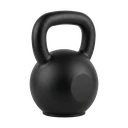 Kettlebell
Also called: kb, cast iron kettlebell, competition kettlebell, girya.
How to do the Suitcase Carry
- Stand beside a single kettlebell or dumbbell with your feet under your hips.
- Hinge at the hips, take the handle in one hand and stand up with the weight hanging at your side.
- Pull that shoulder down and back, and brace as if you were about to be pushed sideways.
- Walk forward with normal, even strides, keeping your torso upright and square rather than leaning away from the weight.
- Keep the free arm relaxed at your side instead of sticking it out as a counterweight.
- Carry for the desired distance or time, set the weight down under control, then repeat on the other side.
Form tips
- Do the same distance on both sides. The whole value is in the asymmetry, and it only works if you load both directions equally.
- If you find yourself tipping toward the weight or hiking the opposite hip, the weight is too heavy — this is a posture drill first.
- Grip usually gives out before the trunk does. That is a legitimate training effect, but if it is always the limit, use straps for the heavier sets.
At a glance
| Body part | Core |
|---|---|
| Category | Strength |
| Force type | Static |
| Mechanic | Compound |
| Difficulty | Beginner |
| Equipment | Kettlebell |
| Goals | Strength, Endurance |
| Tags | Core, Core focus, Grip focus, Full body |
| MET | 5.5 (metabolic equivalent, for calorie estimates) |
| Unilateral | Yes |
| Bodyweight | No |
| Dataset id | suitcase-carry |
Suitcase Carry in German & Spanish
| German | Koffertragen |
|---|---|
| Spanish | Paseo del Maletín |
Descriptions, instructions and tips ship in all three languages in the JSON.
Related exercises
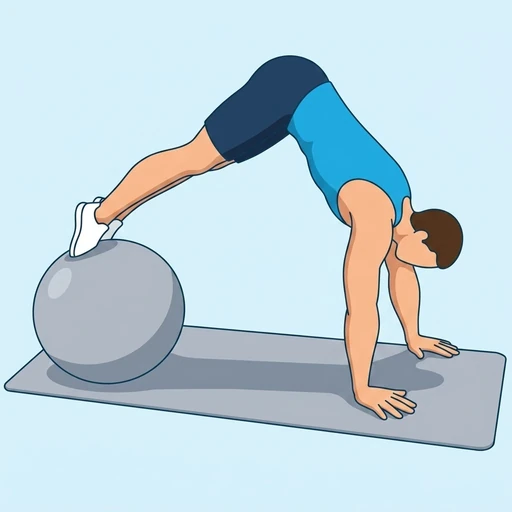 Ball Pike
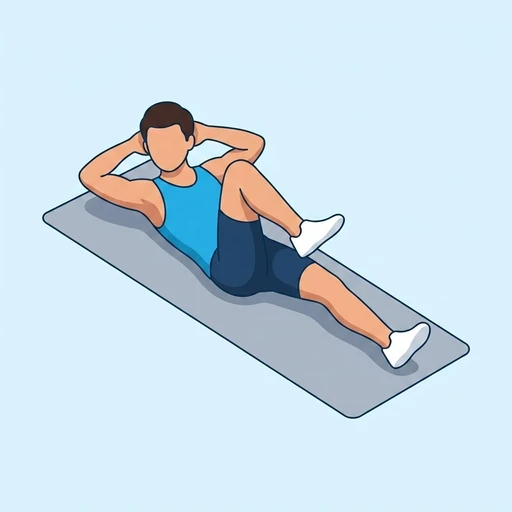 Bicycle Crunch
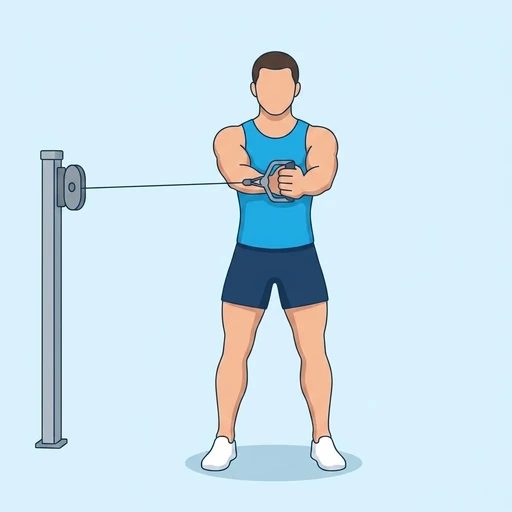 Cable Pallof Press
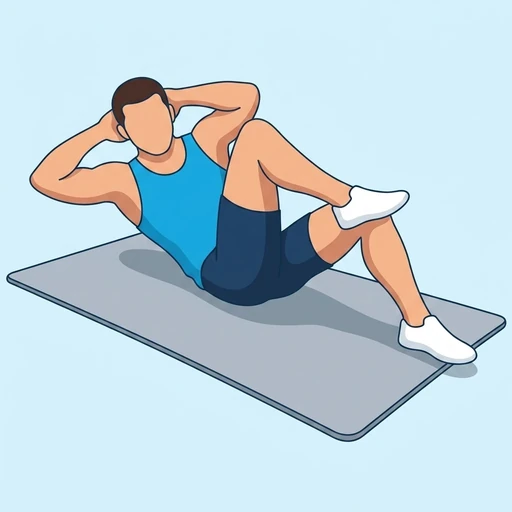 Cross-Body Crunch
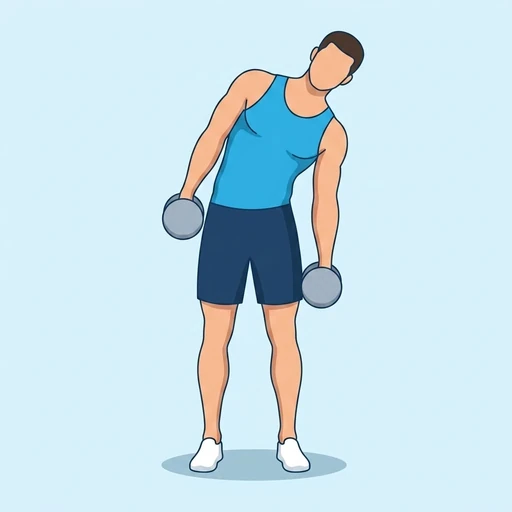 Dumbbell Side Bend
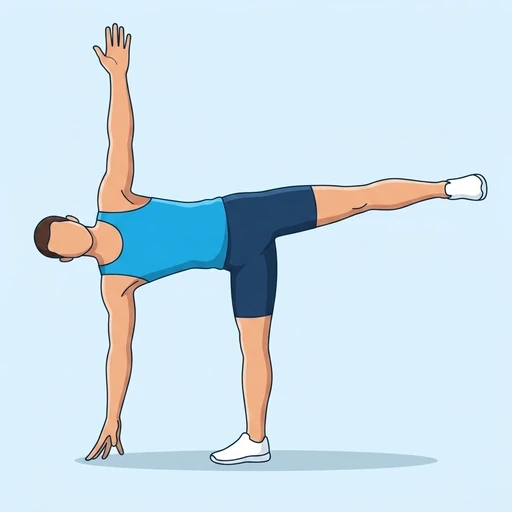 Half Moon Pose
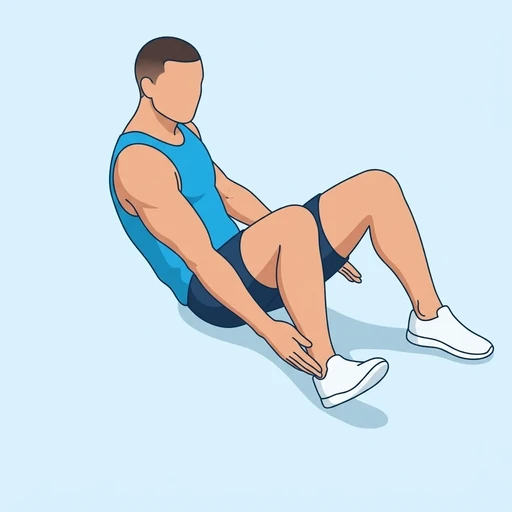 Heel Touches
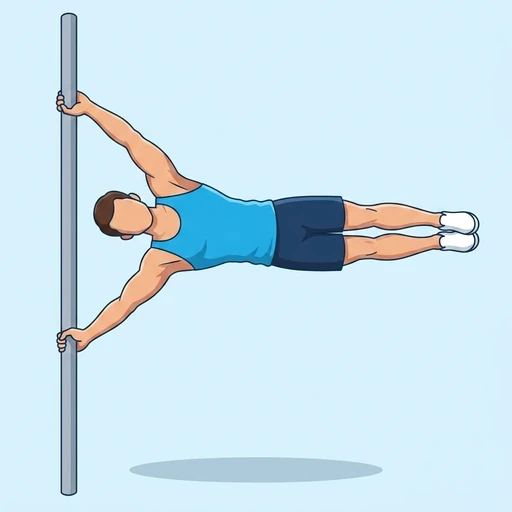 Human Flag
Exercise data (JSON)
The record below is exactly what exercises.json ships for this exercise — names, descriptions, instructions and tips in English, German and Spanish.
{
  "id": "suitcase-carry",
  "name_en": "Suitcase Carry",
  "name_de": "Koffertragen",
  "name_es": "Paseo del Maletín",
  "description_en": "A loaded walk with the weight in one hand only, so the trunk has to resist bending toward the load for the whole distance — the unilateral counterpart to the farmer's walk.",
  "description_de": "Ein Tragegang mit Gewicht in nur einer Hand, sodass der Rumpf über die gesamte Strecke gegen das seitliche Abkippen arbeiten muss — das einseitige Gegenstück zum Farmer's Walk.",
  "description_es": "Un paseo cargado con el peso en una sola mano, de modo que el tronco tiene que resistir la inclinación lateral durante todo el recorrido — la versión unilateral del paseo del granjero.",
  "category": "strength",
  "force_type": "static",
  "mechanic": "compound",
  "difficulty": "beginner",
  "equipment": "kettlebell",
  "body_part": "core",
  "primary_muscles": [
    "forearm_flexors",
    "obliques",
    "quadratus_lumborum"
  ],
  "secondary_muscles": [
    "erector_spinae",
    "gluteus_medius",
    "quadriceps",
    "trapezius"
  ],
  "goals": [
    "strength",
    "endurance"
  ],
  "tags": [
    "core",
    "core_focus",
    "grip_focus",
    "full_body"
  ],
  "is_unilateral": true,
  "is_bodyweight": false,
  "instructions_en": [
    "Stand beside a single kettlebell or dumbbell with your feet under your hips.",
    "Hinge at the hips, take the handle in one hand and stand up with the weight hanging at your side.",
    "Pull that shoulder down and back, and brace as if you were about to be pushed sideways.",
    "Walk forward with normal, even strides, keeping your torso upright and square rather than leaning away from the weight.",
    "Keep the free arm relaxed at your side instead of sticking it out as a counterweight.",
    "Carry for the desired distance or time, set the weight down under control, then repeat on the other side."
  ],
  "instructions_de": [
    "Stell dich mit hüftbreiten Füßen neben eine einzelne Kettlebell oder Kurzhantel.",
    "Geh in die Hüftbeuge, greif den Griff mit einer Hand und richte dich auf, das Gewicht hängt seitlich am Körper.",
    "Zieh diese Schulter nach unten und hinten und spann dich an, als würdest du gleich seitlich angeschoben.",
    "Geh mit normalen, gleichmäßigen Schritten vorwärts und halt den Oberkörper aufrecht und gerade, statt dich vom Gewicht wegzulehnen.",
    "Lass den freien Arm locker am Körper, statt ihn als Gegengewicht abzuspreizen.",
    "Trag die gewünschte Distanz oder Zeit, setz das Gewicht kontrolliert ab und wiederhol auf der anderen Seite."
  ],
  "instructions_es": [
    "Colócate junto a una sola kettlebell o mancuerna, con los pies a la anchura de las caderas.",
    "Flexiona por la cadera, agarra el asa con una mano e incorpórate con el peso colgando a un costado.",
    "Lleva ese hombro abajo y atrás, y aprieta el tronco como si fueran a empujarte de lado.",
    "Camina hacia delante con zancadas normales y regulares, manteniendo el torso erguido y cuadrado en lugar de inclinarte para escapar del peso.",
    "Mantén el brazo libre relajado junto al cuerpo, sin separarlo como contrapeso.",
    "Carga la distancia o el tiempo deseados, deja el peso en el suelo de forma controlada y repite por el otro lado."
  ],
  "tips_en": [
    "Do the same distance on both sides. The whole value is in the asymmetry, and it only works if you load both directions equally.",
    "If you find yourself tipping toward the weight or hiking the opposite hip, the weight is too heavy — this is a posture drill first.",
    "Grip usually gives out before the trunk does. That is a legitimate training effect, but if it is always the limit, use straps for the heavier sets."
  ],
  "tips_de": [
    "Geh auf beiden Seiten dieselbe Strecke. Der ganze Nutzen liegt in der Asymmetrie — und der stellt sich nur ein, wenn du beide Richtungen gleich belastest.",
    "Wenn du zum Gewicht hin kippst oder die Gegenseite in der Hüfte hochziehst, ist es zu schwer: das hier ist in erster Linie eine Haltungsübung.",
    "Meist gibt der Griff vor dem Rumpf nach. Das ist ein legitimer Trainingseffekt, aber wenn er immer das Limit ist, nimm für die schweren Sätze Zughilfen."
  ],
  "tips_es": [
    "Haz la misma distancia por los dos lados. Todo el valor está en la asimetría, y solo funciona si cargas ambas direcciones por igual.",
    "Si te inclinas hacia el peso o levantas la cadera contraria, el peso es excesivo: esto es ante todo un ejercicio de postura.",
    "El agarre suele fallar antes que el tronco. Es un efecto de entrenamiento legítimo, pero si siempre es el límite, usa correas en las series pesadas."
  ],
  "met": 5.5,
  "images": {
    "flat": {
      "main": "images/flat/suitcase-carry-main.webp"
    }
  }
}
Fetch just this exercise
const { exercises } = await fetch(
  "https://exercise-dataset.com/exercises.json"
).then(r => r.json());
const ex = exercises.find(e => e.id === "suitcase-carry");
Free for personal and commercial in-app use with attribution (“Exercise data by RepDB”) — see the license and ready-made attribution snippets. Redistributing the data as a dataset or API is not permitted.