Ring L-Sit
A static L-sit performed in the support position on gymnastic rings: the arms are locked, the body is held off the floor and the legs reach straight forward. The unstable rings make it a demanding test of core, shoulder and arm strength.
Core · Gymnastic Rings · Advanced
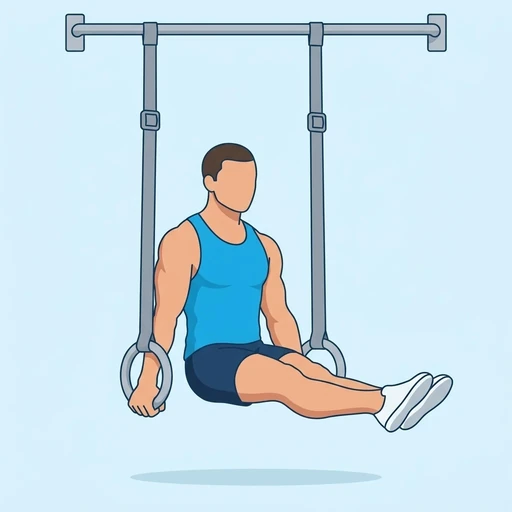
Muscles worked by the Ring L-Sit
Primary
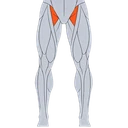 Hip FlexorsHip Flexor Muscles
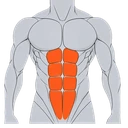 AbsRectus Abdominis
Secondary
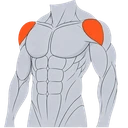 Front DeltsAnterior Deltoid
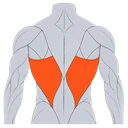 LatsLatissimus Dorsi
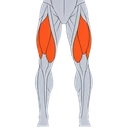 QuadsQuadriceps Femoris
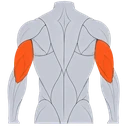 TricepsTriceps Brachii
Also called: hip flexor, iliopsoas, psoas, iliacus, hip flexors, abs.
Equipment
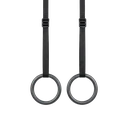 Gymnastic Rings
Also called: gymnastic rings, still rings, wood rings, olympic rings.
How to do the Ring L-Sit
- Set the rings at about hip height and grip them with the arms straight beside the body.
- Press down on the rings and lift the body into the support position, with the shoulders pushed down and away from the ears.
- Turn the rings out slightly, brace the abdominals and raise the straight legs until they are parallel to the floor.
- Hold the position, keeping the rings steady and the knees locked.
- Lower the legs, then the body, under control.
Form tips
- Keep the arms locked and the shoulders pushed down; do not sag between the rings.
- Build up from tucked holds, and from parallettes or a dip station, before moving to rings.
- Point the toes and squeeze the legs together.
At a glance
| Body part | Core |
|---|---|
| Category | Strength |
| Force type | Static |
| Mechanic | Compound |
| Difficulty | Advanced |
| Equipment | Gymnastic Rings |
| Goals | Strength |
| Tags | Core focus, Calisthenics, Knee safe, No axial load |
| MET | 6.0 (metabolic equivalent, for calorie estimates) |
| Unilateral | No |
| Bodyweight | No |
| Dataset id | ring-l-sit |
Ring L-Sit in German & Spanish
| German | Ring L-Sit |
|---|---|
| Spanish | L-Sit en Anillas |
Descriptions, instructions and tips ship in all three languages in the JSON.
Related exercises
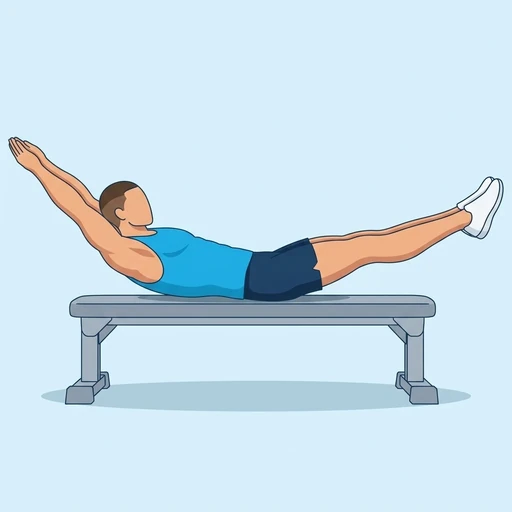 Bench Hollow Hold
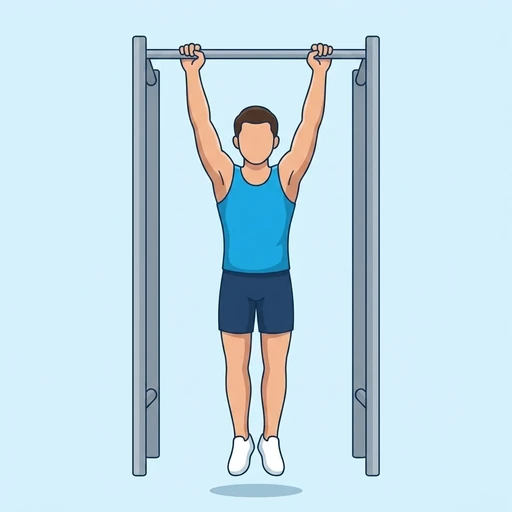 Dead Hang
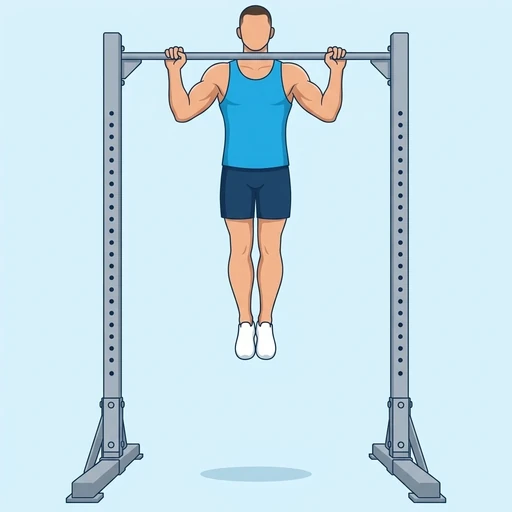 Flexed Arm Hang
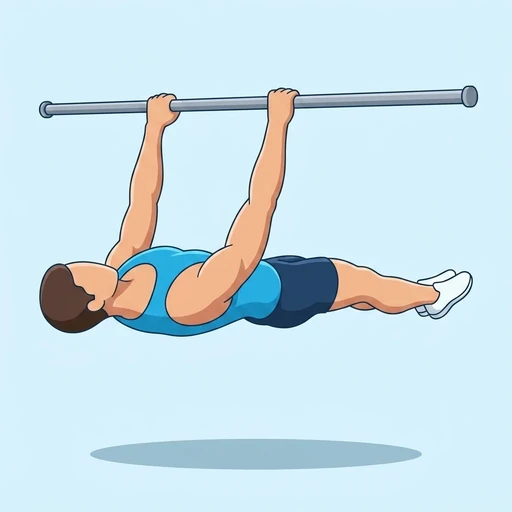 Front Lever
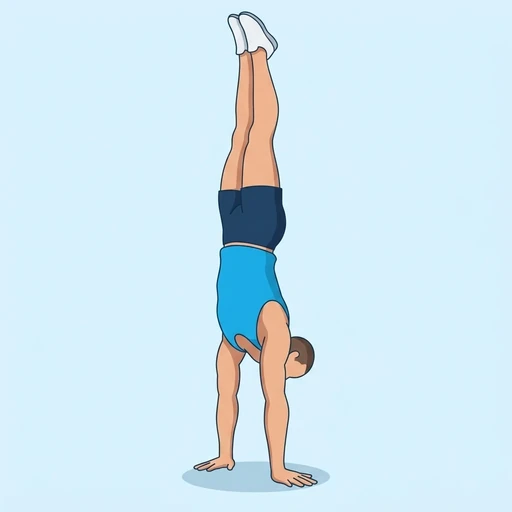 Handstand Hold
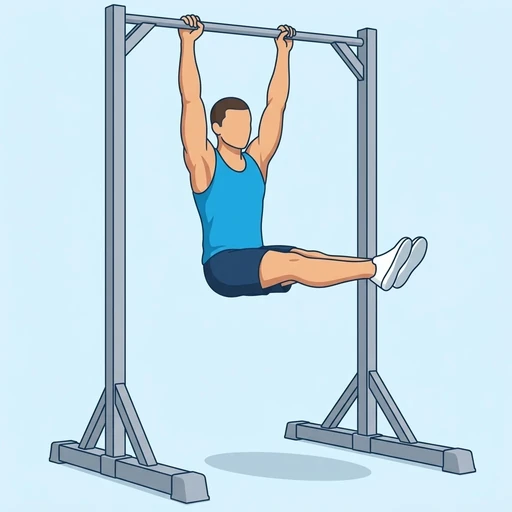 Hanging L-Sit
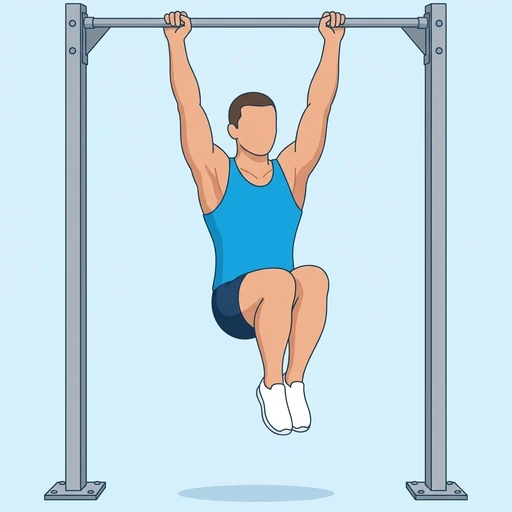 Hanging Tuck Hold
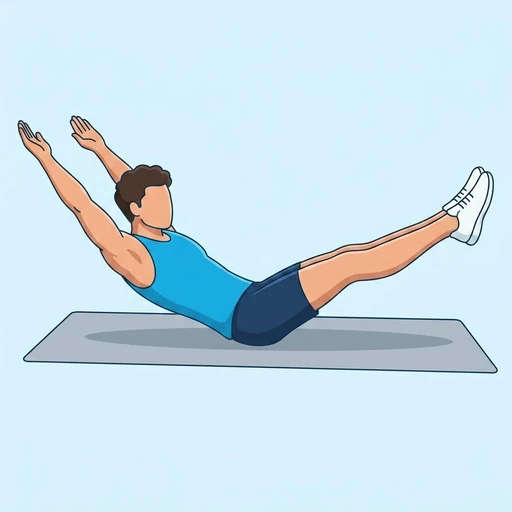 Hollow Body Hold
Exercise data (JSON)
The record below is exactly what exercises.json ships for this exercise — names, descriptions, instructions and tips in English, German and Spanish.
{
  "id": "ring-l-sit",
  "name_en": "Ring L-Sit",
  "name_de": "Ring L-Sit",
  "name_es": "L-Sit en Anillas",
  "description_en": "A static L-sit performed in the support position on gymnastic rings: the arms are locked, the body is held off the floor and the legs reach straight forward. The unstable rings make it a demanding test of core, shoulder and arm strength.",
  "description_de": "Ein statischer L-Sit im Stütz an Turnringen: Die Arme sind durchgestreckt, der Körper ist vom Boden abgehoben und die Beine zeigen gestreckt nach vorn. Die instabilen Ringe machen ihn zu einem anspruchsvollen Test für Rumpf-, Schulter- und Armkraft.",
  "description_es": "Un L-sit estático realizado en posición de apoyo sobre anillas de gimnasia: los brazos están bloqueados, el cuerpo se mantiene separado del suelo y las piernas se estiran rectas al frente. La inestabilidad de las anillas lo convierte en una exigente prueba de fuerza de core, hombros y brazos.",
  "category": "strength",
  "force_type": "static",
  "mechanic": "compound",
  "difficulty": "advanced",
  "equipment": "rings",
  "body_part": "core",
  "primary_muscles": [
    "hip_flexors",
    "rectus_abdominis"
  ],
  "secondary_muscles": [
    "anterior_deltoid",
    "latissimus_dorsi",
    "quadriceps",
    "triceps_brachii"
  ],
  "goals": [
    "strength"
  ],
  "tags": [
    "core_focus",
    "calisthenics",
    "knee_safe",
    "no_axial_load"
  ],
  "variation_group": "static-hold",
  "is_unilateral": false,
  "is_bodyweight": false,
  "instructions_en": [
    "Set the rings at about hip height and grip them with the arms straight beside the body.",
    "Press down on the rings and lift the body into the support position, with the shoulders pushed down and away from the ears.",
    "Turn the rings out slightly, brace the abdominals and raise the straight legs until they are parallel to the floor.",
    "Hold the position, keeping the rings steady and the knees locked.",
    "Lower the legs, then the body, under control."
  ],
  "instructions_de": [
    "Häng die Ringe auf etwa Hüfthöhe und greif sie mit gestreckten Armen neben dem Körper.",
    "Drück die Ringe nach unten und heb den Körper in den Stütz, die Schultern nach unten und weg von den Ohren gedrückt.",
    "Dreh die Ringe leicht nach außen, spann die Bauchmuskeln an und heb die gestreckten Beine, bis sie parallel zum Boden sind.",
    "Halte die Position, die Ringe ruhig und die Knie durchgestreckt.",
    "Senke zuerst die Beine, dann den Körper kontrolliert ab."
  ],
  "instructions_es": [
    "Coloca las anillas aproximadamente a la altura de la cadera y agárralas con los brazos estirados junto al cuerpo.",
    "Empuja las anillas hacia abajo y eleva el cuerpo hasta la posición de apoyo, con los hombros hacia abajo y alejados de las orejas.",
    "Gira ligeramente las anillas hacia fuera, contrae el abdomen y eleva las piernas rectas hasta que queden paralelas al suelo.",
    "Mantén la posición, con las anillas estables y las rodillas bloqueadas.",
    "Baja primero las piernas y después el cuerpo, de forma controlada."
  ],
  "tips_en": [
    "Keep the arms locked and the shoulders pushed down; do not sag between the rings.",
    "Build up from tucked holds, and from parallettes or a dip station, before moving to rings.",
    "Point the toes and squeeze the legs together."
  ],
  "tips_de": [
    "Halte die Arme durchgestreckt und die Schultern nach unten gedrückt; sinke nicht zwischen den Ringen ein.",
    "Arbeite dich über Tuck-Halte und an Parallettes oder einer Dip-Station hoch, bevor du an die Ringe wechselst.",
    "Spitze die Zehen und press die Beine zusammen."
  ],
  "tips_es": [
    "Mantén los brazos bloqueados y los hombros hacia abajo; no te hundas entre las anillas.",
    "Progresa desde mantenimientos con las rodillas encogidas y desde parallettes o una estación de fondos antes de pasar a las anillas.",
    "Estira las puntas de los pies y aprieta las piernas entre sí."
  ],
  "met": 6.0,
  "images": {
    "flat": {
      "main": "images/flat/ring-l-sit-main.webp"
    }
  }
}
Fetch just this exercise
const { exercises } = await fetch(
  "https://exercise-dataset.com/exercises.json"
).then(r => r.json());
const ex = exercises.find(e => e.id === "ring-l-sit");
Free for personal and commercial in-app use with attribution (“Exercise data by RepDB”) — see the license and ready-made attribution snippets. Redistributing the data as a dataset or API is not permitted.